Every year, thousands of American travelers find that navigating the rugged beauty of High Country regions presents distinct transportation challenges. This matters for locals and visitors alike, as reliable travel options can define your entire mountain experience. With specialized vehicles, expert drivers, and a focus on safety, High Country transportation services transform complex routes into smooth journeys—offering solutions tailored to the unique demands of American mountain travel. Explore the essentials and discover smarter ways to reach your destination.
Table of Contents
- Defining High Country Transportation Services
- Types of Transportation Available In The Region
- Core Features And Service Standards
- Booking, Scheduling, And Coverage Areas
- Safety, Legal, And Licensing Essentials
- Comparing High Country Options And Costs
Key Takeaways
| Point | Details |
|---|---|
| High Country Transportation Services | Specialized transportation options address unique challenges in mountainous regions, focusing on safety, reliability, and local expertise. |
| Diverse Options Available | The High Country offers personal vehicles, shuttles, and public transit, each designed to meet varying needs while navigating challenging terrain. |
| Safety and Compliance Standards | Providers adhere to stringent safety protocols and regulations to ensure passenger safety and vehicle reliability in mountainous conditions. |
| Cost Considerations | Evaluate transportation choices based on flexibility, convenience, and total cost to ensure effective and economical travel solutions. |
Defining High Country Transportation Services
High country transportation services represent a specialized approach to mobility in mountainous and elevated regions, addressing the unique challenges presented by complex terrain and diverse travel needs. These services encompass a comprehensive range of transportation options specifically designed to navigate the distinctive landscape of elevated areas. Transportation services in mountainous regions typically include personal vehicles, public transit systems, specialized shuttle services, and adaptive transportation solutions that account for challenging geographic conditions.
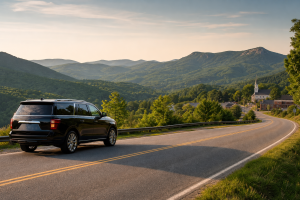
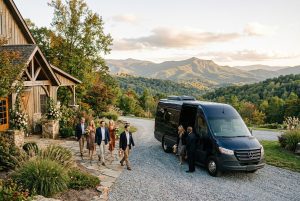
In the context of North Carolina’s High Country, transportation services are particularly nuanced, reflecting the region’s mountainous topography and diverse visitor and resident requirements. These services go beyond traditional transportation models by integrating luxury, safety, and local expertise. They might include airport transfers, wedding shuttles, winery tour transportation, and personalized travel solutions that consider the area’s unique elevation, weather patterns, and rural infrastructure. Specialized vehicles become critical, with robust transportation providers utilizing high-end, terrain-appropriate vehicles that can safely navigate winding mountain roads.
The essential characteristics of high country transportation services include adaptability, reliability, and local knowledge. Providers must understand intricate local routes, anticipate potential weather-related challenges, and offer comfortable, safe transit options for various purposes—from corporate travel to wedding celebrations. Effective high country transportation requires a deep understanding of regional dynamics, including seasonal variations, tourist influx, and the specific mobility needs of mountain communities.
Pro Tip: Research Local Expertise: When selecting a high country transportation service, prioritize providers with demonstrable local experience who understand the region’s unique travel challenges and can offer personalized, adaptive transportation solutions.
Types of Transportation Available in the Region
The High Country region offers a diverse array of transportation options designed to meet the varied needs of residents and visitors navigating its challenging mountainous terrain. Transportation services in high country regions typically encompass multiple modes that address the unique geographical constraints and mobility requirements of elevated landscapes. These transportation options range from personal vehicles and specialized shuttle services to more comprehensive public transit systems that connect remote mountain communities.
Personal vehicles remain the most prevalent transportation mode, with many residents and visitors utilizing robust SUVs and four-wheel-drive vehicles capable of handling steep gradients and potentially unpredictable weather conditions. Shuttle services have emerged as a critical transportation solution, particularly for specialized needs like airport transfers, wedding transportation, and winery tours. These services provide comfortable, safe, and professionally managed transit options that eliminate the challenges of navigating unfamiliar mountain roads.
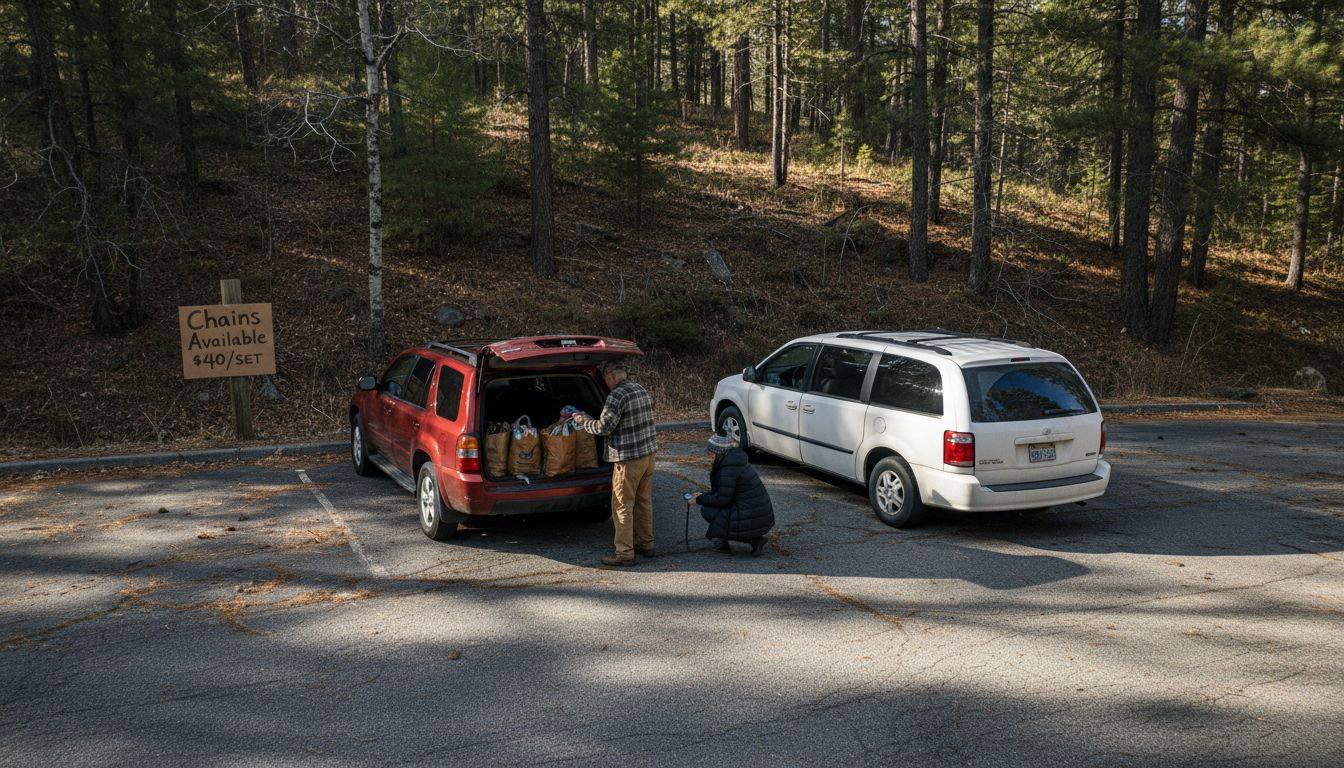
Public transportation in the High Country includes a network of buses and regional transit systems designed to connect smaller mountain towns and provide affordable mobility options for residents. Additionally, some areas offer specialized transportation services for seniors, individuals with disabilities, and rural residents who might have limited personal transportation access. The region’s transportation ecosystem is characterized by adaptability, with service providers continuously evolving to meet the dynamic needs of mountain communities and their diverse populations.
Pro Tip: Vehicle Selection Strategy: When traveling in high country regions, choose a vehicle with high ground clearance, all-wheel drive capabilities, and reliable performance to ensure safe and comfortable navigation through mountainous terrains.
Core Features and Service Standards
Transportation services in the High Country are defined by rigorous transportation service standards that prioritize safety, reliability, and accessibility in challenging mountain environments. These core features represent a comprehensive approach to mobility that goes beyond traditional transportation models, integrating specialized infrastructure, advanced vehicle technologies, and customer-focused service protocols. The standards are meticulously designed to address the unique challenges presented by mountainous terrain, unpredictable weather conditions, and diverse user needs.
Safety protocols form the cornerstone of high country transportation services, with providers implementing multiple layers of protection and preparedness. This includes specialized driver training for mountain driving, regular vehicle maintenance tailored to rugged terrain, and advanced safety technologies that enhance navigation through steep gradients and potentially hazardous road conditions. Vehicles are typically equipped with enhanced traction control, all-wheel-drive capabilities, and communication systems that ensure constant connectivity and emergency responsiveness.
Accessibility and inclusivity are fundamental to the service standards in mountain transportation systems. Providers must design flexible transportation solutions that accommodate diverse user groups, including seniors, individuals with disabilities, tourists, and local residents. This involves offering adaptive vehicles, providing wheelchair-accessible shuttles, implementing transparent pricing structures, and developing route systems that connect remote mountain communities effectively. The transportation ecosystem in the High Country is characterized by its commitment to creating mobility options that are not just functional, but also comfortable and dignified for all users.
Pro Tip: Preparedness Assessment: Before selecting a transportation service in mountain regions, verify their safety certifications, driver training programs, and vehicle maintenance standards to ensure a reliable and secure travel experience.
Booking, Scheduling, and Coverage Areas
High Country transportation services offer unique booking and scheduling considerations that reflect the complex logistics of mountain region mobility. The booking process typically involves advanced planning, taking into account the specialized nature of transportation in mountainous terrain. Potential passengers must navigate a system that balances flexibility with the practical constraints of providing reliable service in challenging geographic conditions. This often means understanding seasonal variations, peak travel times, and the specific operational parameters of local transportation providers.
Coverage areas in the High Country are carefully defined to maximize service effectiveness while addressing the inherent challenges of mountain geography. Transportation providers strategically map their routes to connect key locations such as airports, town centers, popular tourist destinations, wineries, and remote mountain communities. Multiple booking channels typically exist, including online platforms, phone reservations, and in-person booking options, designed to accommodate the diverse needs of local residents and visitors. The complexity of route planning requires sophisticated logistics that account for elevation changes, road conditions, and potential weather-related disruptions.
Technology plays a crucial role in modern High Country transportation booking systems, with many providers offering real-time tracking, advanced reservation platforms, and flexible scheduling options. Customers can often choose from a range of service types, including shared shuttles, private transfers, and specialized transportation for events like weddings or corporate gatherings. Pricing structures are typically transparent, with rates varying based on factors such as distance, vehicle type, season, and specific service requirements. Some providers offer package deals or group rates to make transportation more accessible and cost-effective for travelers and local residents alike.
Pro Tip: Advance Booking Strategy: During peak seasons and for specialized events, book your transportation at least 2-4 weeks in advance to ensure availability and secure the most competitive rates for High Country travel.
Safety, Legal, and Licensing Essentials
High Country transportation services are governed by comprehensive transportation safety regulations that establish rigorous standards for vehicle operation, driver qualifications, and passenger protection. These legal frameworks are specifically designed to address the unique challenges presented by mountainous terrain, ensuring that transportation providers maintain the highest levels of safety and compliance. The regulatory landscape encompasses multiple layers of oversight, including federal and state guidelines that mandate specialized training, vehicle inspections, and operational protocols tailored to mountain driving conditions.
Licensing requirements for High Country transportation providers are particularly stringent, reflecting the complex nature of mountain region mobility. Drivers must obtain specialized certifications that go beyond standard commercial driving credentials, including advanced training in mountain driving techniques, emergency response, and vehicle handling in challenging environmental conditions. This includes comprehensive background checks, periodic medical evaluations, and demonstrated proficiency in navigating steep gradients, narrow mountain roads, and potentially hazardous weather scenarios. Transportation companies must maintain meticulous records, undergo regular audits, and demonstrate ongoing compliance with evolving safety standards.
Environmental and legal considerations play a crucial role in High Country transportation services, with providers required to implement sustainable practices and minimize their ecological impact. This involves adhering to strict emissions standards, implementing fuel-efficient vehicle technologies, and developing operational strategies that protect the natural mountain environment. Insurance requirements are also significantly more complex, with transportation providers needing comprehensive coverage that addresses the unique risks associated with mountain travel, including potential weather-related disruptions, terrain-specific challenges, and the specialized nature of mountain transportation services.
Pro Tip: Compliance Verification: Always request and verify a transportation provider’s current safety certifications, insurance documentation, and driver qualifications before booking, especially for specialized mountain travel services.
To help you choose the right provider, here’s a summary of vital safety and legal requirements:
| Compliance Area | Importance in High Country | Key Requirements |
|---|---|---|
| Driver Certification | Ensures safe mountain driving | Specialized training, medical checks |
| Vehicle Maintenance | Reduces risk in tough terrain | Regular inspections, AWD technology |
| Insurance | Protects riders and providers | Comprehensive, weather-specific |
| Environmental Rules | Minimizes ecological impact | Emissions limits, fuel efficiency |
Comparing High Country Options and Costs
Navigating transportation options in high country regions requires a nuanced understanding of transportation cost considerations that balance affordability, convenience, and specialized service requirements. The transportation landscape in mountainous areas presents a complex matrix of choices, each with distinct cost implications and practical considerations. Travelers and residents must carefully evaluate options ranging from personal vehicle ownership to specialized shuttle services, weighing factors such as initial investment, ongoing maintenance expenses, and the unique challenges posed by mountainous terrain.
Cost structures for High Country transportation vary significantly across different service types. Personal vehicles offer flexibility but come with substantial expenses including purchase costs, insurance, maintenance, and specialized mountain-terrain equipment. Shuttle and private transportation services provide an alternative with more predictable pricing, typically charging based on distance, vehicle type, and specific service requirements. These specialized services often include additional value through professional driving, vehicle maintenance, and expertise in navigating challenging mountain routes. Some providers offer package deals for frequent travelers, group rates for events, and seasonal discounts that can substantially reduce overall transportation expenses.

A comprehensive comparison of transportation options reveals multiple factors beyond direct monetary costs. Public transit options might appear most economical but often have limited coverage in mountain regions, potentially requiring supplemental transportation. Private shuttle services, while potentially more expensive per trip, offer reliability, safety, and convenience that can offset their higher upfront costs. Factors such as vehicle depreciation, fuel efficiency, maintenance expenses for personal vehicles, and the hidden costs of mountain driving—including specialized tire requirements, increased wear and tear, and potential weather-related challenges—must be carefully considered when making a transportation selection.
Here’s a comparison of key transportation options in high country regions:
| Transportation Type | Flexibility & Convenience | Main Costs Involved | Unique Mountain Challenge |
|---|---|---|---|
| Personal Vehicle | Highest control and privacy | Purchase, maintenance, insurance | Requires special tires, AWD |
| Shuttle Service | Moderate, scheduled pickups | Flat rates, occasional fees | Pro driver, adjusts for terrain |
| Public Transit | Fixed routes, less flexible | Low fares, schedule dependency | Limited rural coverage |
| Private Transfers | On-demand, premium comfort | Higher fees, premium services | Tailored routes, expert local drivers |
Pro Tip: Cost Comparison Strategy: Create a detailed spreadsheet comparing total transportation costs, including direct expenses, time investment, and potential indirect costs like vehicle maintenance and weather-related risks, to make an informed decision about the most cost-effective transportation solution.
Experience Stress-Free Luxury Transportation in the North Carolina High Country
Navigating the unique challenges of mountain travel in the High Country requires more than just any transportation service. The article highlights crucial issues like unpredictable weather, complex routes, and the need for specialized vehicles and expert local knowledge. If you want reliable, safe, and personalized transit that truly understands these high country demands, you deserve a service that matches these standards. Ashe County Livery offers a premium fleet of high-end Mercedes vehicles with professional chauffeurs who are experienced in handling the terrain and seasonal variations. Whether it is an airport transfer, wedding shuttle, or winery tour, our family-owned business prioritizes your comfort and peace of mind.
Ready to elevate your travel experience in North Carolina’s High Country? Visit Ashe County Livery to explore our wide range of luxury transportation options tailored to mountain living and tourism. Don’t wait to secure your safe and stylish ride. Book your trip now and benefit from our local expertise and commitment to customer satisfaction. Discover why choosing the right transportation provider matters for your next High Country journey at Ashe County Livery. Start your seamless travel today.
Frequently Asked Questions
What are high country transportation services?
High country transportation services refer to specialized mobility solutions designed for mountainous regions, addressing unique travel challenges with options like personal vehicles, shuttle services, and public transit systems tailored for difficult terrain.
Why is local expertise important in high country transportation?
Local expertise is crucial because it ensures drivers understand complex routes, can anticipate weather-related challenges, and provide tailored solutions for residents and visitors in mountainous areas.
What types of vehicles are commonly used in high country transportation?
High country transportation typically utilizes robust vehicles such as SUVs and all-wheel-drive cars, designed to navigate steep gradients and unstable weather conditions, ensuring passenger safety and comfort.
How do booking and scheduling work for high country transportation services?
Booking and scheduling often require advance planning due to the specialized nature of the services, with options for online reservations, phone bookings, and flexible scheduling. It’s recommended to book at least 2-4 weeks in advance during peak seasons.
Recommended
- What Is Luxury Transportation? Complete Guide – Ashe County Livery blog
- Best Luxury Transportation Services – Expert Comparison 2025 – Ashe County Livery blog
- 7 Prime Examples of Luxury Transportation for High Country Events – Ashe County Livery blog
- Luxury Airport Transfer Comparison – Expert Review 2025 – Ashe County Livery blog
Related reading
- How to Plan Group Transportation for a High Country Reunion
- 7 Types of Transportation Services for High Country Needs
Explore More from Ashe County Livery
- Ashe County Livery — Premium transportation in NC’s High Country
- Wedding Transportation — Luxury shuttles for your big day
- Wedding venues we serve — 40+ High Country venues
- High Country Wine Tours — Mountain winery shuttle service
- Yadkin Valley Wine Tours — Explore NC’s premier wine region
- Airport Shuttle Service — CLT, AVL, GSO & TRI transfers
- Blue Ridge Airport Shuttle — Shared CLT shuttle from $75
- Airport shuttles by town: Boone · Blowing Rock · Banner Elk · West Jefferson · Linville · Beech Mountain
- Request a free quote — or call (336) 484-1350
Ashe County Livery — Family-owned luxury transportation in North Carolina’s High Country. Learn more or call (336) 484-1350.
Ready to Book Your Ride?
Ashe County Livery provides luxury transportation for wine tours, weddings, and airport transfers throughout NC’s High Country.
🍷 Visiting the NC High Country? Add a Wine Tour!
Make your High Country trip unforgettable with a private chauffeured wine tour. Visit award-winning mountain wineries, enjoy stunning Blue Ridge views, and leave the driving to us.
Serving Banner Elk, Blowing Rock, Boone, and all NC High Country destinations • (336) 484-1350
You Might Also Like