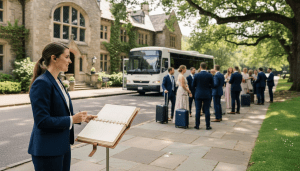
More than fifty percent of American couples in North Carolina’s High Country discover that guest transportation planning is a top stress factor before their wedding day. Logistics matter especially when you want every loved one to arrive in comfort and style, no matter their needs or abilities. This guide empowers you to evaluate and coordinate luxury transport services with confidence, ensuring seamless travel for your entire bridal party and guests on your special day.
Table of Contents
- Step 1: Assess Guest Transportation Needs And Expectations
- Step 2: Select Vehicles And Map Essential Travel Routes
- Step 3: Coordinate Schedules With Venues And Vendors
- Step 4: Communicate Plans And Confirm Reservations
- Step 5: Verify Readiness On The Event Day And Oversee Execution
Quick Summary
| Key Point | Explanation |
|---|---|
| 1. Assess guest transportation needs | Gather transportation preferences and limitations using a survey, categorizing guests for tailored services. |
| 2. Choose appropriate vehicles | Select a diverse fleet of vehicles to accommodate various guest needs, ensuring comfort and convenience. |
| 3. Synchronize schedules with vendors | Coordinate arrival and departure times with all vendors to ensure a smooth flow throughout the event. |
| 4. Communicate reservations clearly | Confirm all transportation arrangements with written documentation and provide real-time updates to stakeholders. |
| 5. Monitor execution on the wedding day | Maintain constant communication and tracking on the event day to quickly resolve any transportation issues that arise. |
Step 1: Assess Guest Transportation Needs and Expectations
Successful wedding transportation starts with understanding the unique mobility requirements of your guests. A comprehensive assessment will help you create a smooth and comfortable travel experience for everyone attending your celebration.
Begin by gathering critical information about your guest list. Survey attendees about their transportation preferences and potential limitations using a digital questionnaire that covers key details like mobility challenges, preferred pickup locations, and willingness to share shuttle services. Accessibility considerations are fundamental when evaluating transportation options to ensure no guest feels overlooked or inconvenienced. Create categories for guests based on their transportation needs: local residents with personal vehicles, out of town guests requiring airport transfers, elderly or mobility impaired attendees who might need specialized assistance, and groups traveling together.
Work closely with your transportation provider to design flexible shuttle routes that accommodate different guest clusters. Analyze potential pickup points strategically around hotels, airports, and central locations to maximize convenience. Consider offering multiple shuttle times and vehicles with varying capacities to provide options that suit different schedules and group sizes. Track estimated passenger counts and confirm vehicle availability well in advance to prevent last minute logistical challenges.
Pro tip: Create a color coded transportation matrix that tracks each guest’s specific shuttle requirements and preferences to streamline your wedding day logistics.
Here’s how guest transportation categories compare for common wedding scenarios:
| Guest Group | Typical Needs | Recommended Vehicle | Special Considerations |
|---|---|---|---|
| Local residents | Flexible arrival time, self-parking | Self-drive or luxury SUV or equivalent | Parking availability |
| Out-of-town guests | Coordinated group travel, luggage | Executive shuttle van | Airport curbside pickup scheduling |
| Elderly/mobility impaired | Assistance, accessibility | Luxury SUV with close, accessible stops | Close stops, easy entry |
| Wedding party/groups | Synchronization, on-time arrival | Luxury SUV or equivalent, or stretch limousine | Coordinated schedule, privacy |
Step 2: Select Vehicles and Map Essential Travel Routes
Choosing the right vehicles and planning strategic travel routes are critical components of seamless wedding transportation that ensure your guests arrive comfortably and on time. This step transforms logistical challenges into a smooth, stress-free experience.
Thoughtful transportation planning emphasizes the importance of selecting vehicles that accommodate diverse guest needs. Work with your transportation provider to create a vehicle fleet that includes luxury SUVs for smaller groups, spacious executive shuttle vans for larger parties (with multiple vans running together for bigger groups), and vehicles with easy-access accommodations. Consider factors like passenger comfort, luggage space, and vehicle aesthetics that complement your wedding style. Analyze your guest list demographics to determine the right mix of luxury SUVs and shuttle vans perfect for your specific event requirements.
Next map out precise travel routes that maximize efficiency and minimize potential delays. Utilize digital mapping tools to identify optimal pickup locations near hotels, airports, and key venues. Factor in potential traffic patterns local road conditions and estimated travel times. Create a detailed route plan that includes multiple backup routes in case of unexpected road closures or traffic incidents. Confirm all routes with your transportation provider and do a preliminary test drive to validate timing and accessibility.
Pro tip: Create a digital route tracking spreadsheet with real time GPS coordinates to help wedding day coordinators monitor shuttle locations and manage any last minute transportation adjustments.
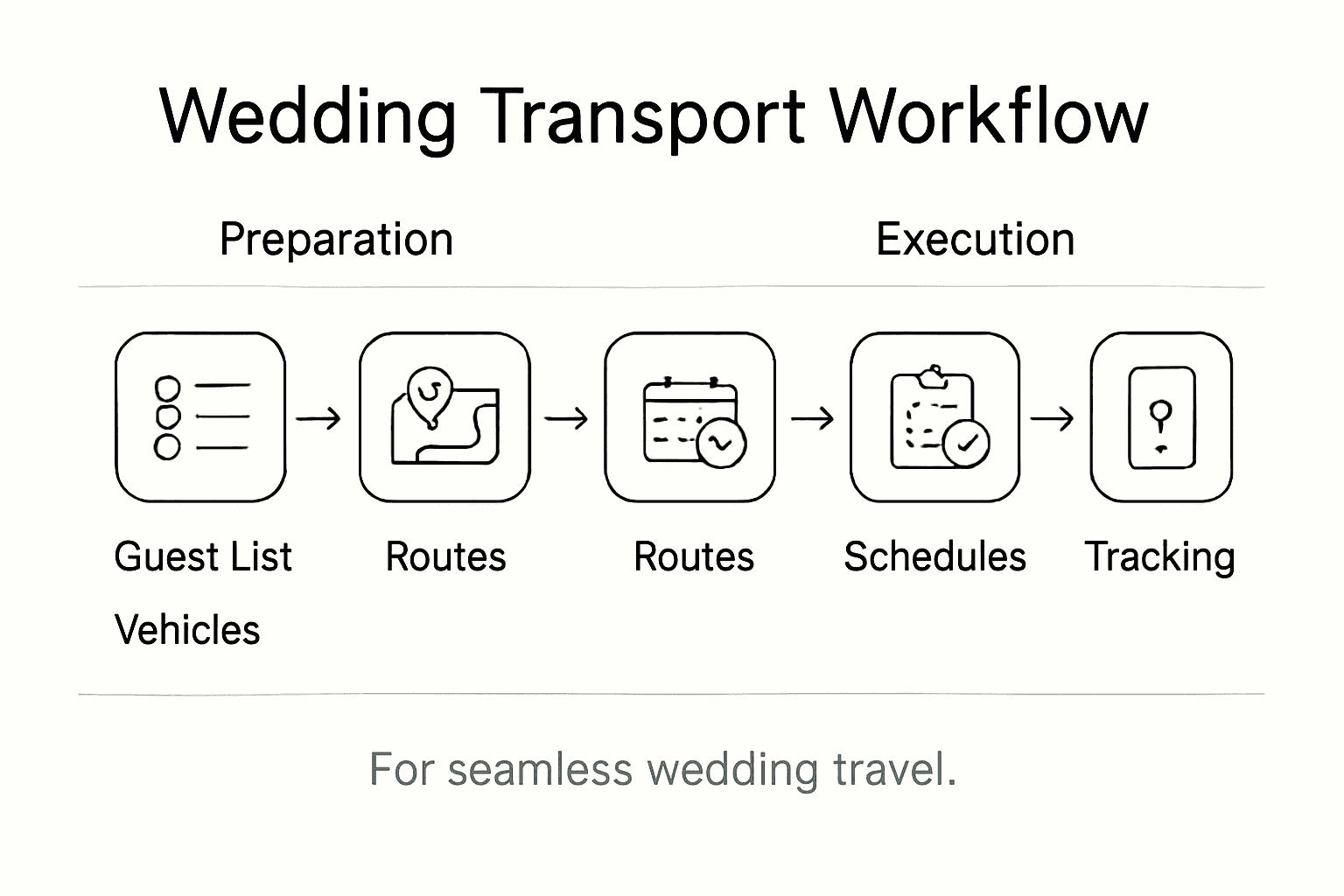
Step 3: Coordinate Schedules with Venues and Vendors
Successful wedding transportation requires meticulous synchronization between your transportation provider, wedding venues, and various service vendors. This critical step ensures every moving piece of your wedding day logistics operates seamlessly and without unexpected interruptions.
Good event planning underscores the importance of precise scheduling and communication. Begin by creating a comprehensive timeline that outlines exact arrival and departure windows for wedding party members, guest shuttles, and key vendors. Develop a master schedule that includes specific pickup times for different guest clusters, accounting for potential variations like early arrivals for photography or late departures for after parties. Work directly with your transportation provider to confirm vehicle availability and driver schedules that align perfectly with your venue requirements.
Contact each wedding vendor individually to synchronize transportation logistics. Discuss specific timing needs with photographers, catering teams, musicians, and other critical service providers to ensure smooth transitions between different wedding day events. Confirm loading and unloading zones with your venue coordinator, verifying precise locations for shuttle stops and understanding any venue specific transportation restrictions. Create a digital shared document that all vendors can access in real time, allowing immediate communication about potential schedule adjustments or unexpected changes.
Pro tip: Schedule a final coordination meeting with your transportation provider and key vendors one week before the wedding to review the complete transportation schedule and confirm every logistical detail.
Step 4: Communicate Plans and Confirm Reservations
Communicating wedding transportation plans and securing firm reservations are critical steps that transform your logistical blueprint into a reliable travel strategy. Your goal is to create crystal clear communication channels that leave no room for misunderstandings or last minute surprises.
Detailed, documented communication is essential to smooth event planning. Develop a comprehensive communication plan that includes written confirmations from your transportation provider, detailing exact vehicle assignments, driver information, pickup schedules, and specific guest route details. Create a centralized digital communication hub where all key stakeholders can access real time updates. This might include a shared spreadsheet or collaborative platform that tracks every transportation reservation, with columns for guest names, pickup locations, vehicle assignments, and special accommodation needs.
Reach out personally to confirm reservations with multiple touchpoints. Send formal email confirmations, follow up with phone calls, and schedule a final in person or virtual meeting with your transportation provider one week before the wedding. During this meeting, review every detail of the transportation plan, including contingency strategies for potential issues like vehicle breakdowns, traffic delays, or unexpected guest transportation needs. Verify contact information for key transportation staff who will be managing your wedding day logistics, ensuring you have direct communication channels in case of any last minute adjustments.
Pro tip: Create a emergency contact card for each transportation vehicle with the drivers cell phone number, wedding day coordinator contact, and backup transportation provider information.
Step 5: Verify Readiness on the Event Day and Oversee Execution
The wedding day has arrived and your transportation logistics are about to be put to the ultimate test. Your primary focus now shifts from planning to real time management and ensuring every transportation element operates with precision and grace.
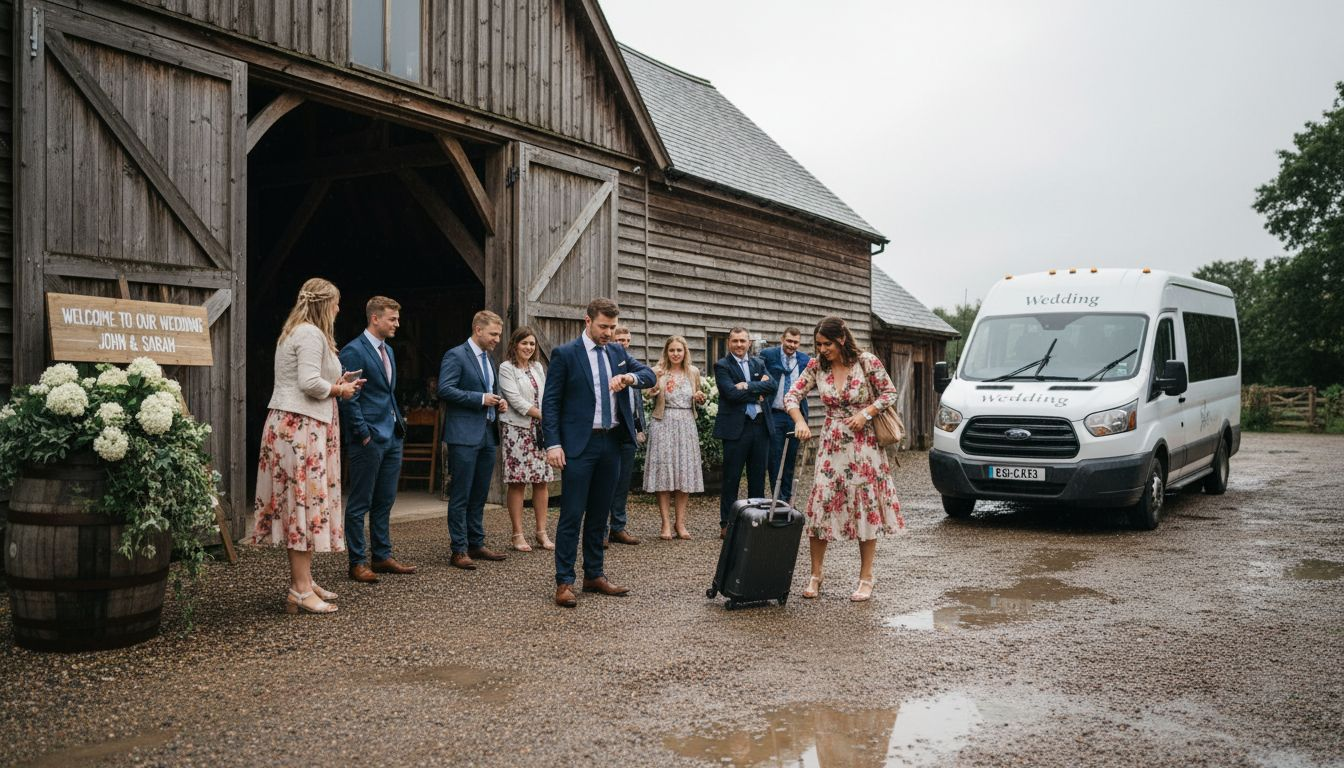
Operational readiness is the cornerstone of seamless event logistics. Begin your day with a comprehensive morning briefing with all transportation staff, reviewing the master schedule and confirming each vehicle is fully prepared. Check vehicle maintenance records, verify fuel levels, inspect emergency equipment, and ensure drivers have all necessary guest manifest documents. Designate a primary wedding day coordinator who will serve as the central communication hub tracking all transportation movements and quickly resolving any unexpected challenges.
During the event, maintain constant communication with shuttle drivers and key vendors. Use real time tracking technologies to monitor vehicle locations, anticipate potential delays, and make instantaneous route adjustments if needed. Station a transportation coordinator at key pickup and dropoff locations to manage guest flow and provide immediate assistance. Have backup vehicles on standby and maintain open communication channels with alternate transportation providers in case of unexpected vehicle issues. Remain flexible and calm, understanding that minor adjustments are part of managing complex wedding day logistics.
Pro tip: Create a live digital dashboard that allows you to track all transportation vehicles in real time, providing instant visibility into your entire wedding day transportation network.
Below is a summary of best practices for wedding day transportation execution:
| Practice | Purpose | Example Tool | Impact |
|---|---|---|---|
| Morning staff briefing | Confirm schedules, readiness | Printed schedules | Fewer miscommunications |
| Real-time vehicle monitoring | Track locations, manage delays | GPS dashboard | Respond quickly to changes |
| Coordinator stations | Assist guests, direct shuttles | Assigned staff | Smooth guest transitions |
| Backup vehicles ready | Mitigate unexpected breakdowns | Spare vans or cars | Ensures uninterrupted travel |
Elevate Your Wedding Day Transport to Flawless Execution
Planning transportation for your wedding can quickly become overwhelming with so many moving parts to coordinate. This article highlights the critical importance of understanding guest needs, selecting the right vehicles, and syncing schedules to guarantee a smooth celebration. Key challenges like managing diverse guest groups, ensuring accessibility, and real-time communication resonate deeply for anyone looking to avoid last-minute stress or mishaps.
At Ashe County Livery, we specialize in delivering the very seamless and personalized wedding day transportation experience this article outlines. With our fleet of luxury SUVs and executive shuttle vans and professional chauffeurs, we offer tailored services that handle everything from curbside airport pickups and drop-offs to coordinated shuttle van routes with precision and care. Our family-owned, customer-first approach means you have a dependable partner for meeting every transportation detail — from timely pickups to accommodating special accessibility needs.
Discover how our wedding transportation solutions can take the complexity off your plate.
Don’t let transportation challenges disrupt your perfect day. Connect with Ashe County Livery now to secure reliable, stylish, and stress-free wedding transport designed around your flawless celebration. Visit https://ashecountylivery.com today and take the first step toward smooth wedding day logistics that impress every guest.
Frequently Asked Questions
How do I assess guest transportation needs for my wedding?
Begin by gathering information from your guest list using a digital questionnaire. Ask about preferences, mobility challenges, and willingness to share shuttle services to ensure everyone’s needs are accounted for.
What types of vehicles should I consider for wedding transportation?
Choose vehicles that cater to the diverse needs of your guests, such as luxury sedans for small groups and accessible vans for mobility-impaired attendees. Work with your transportation provider to create a mixed fleet that matches your guest demographics.
How can I coordinate transportation schedules with wedding venues and vendors?
Create a master timeline that aligns all transportation pickups and drop-offs with the schedules of venues and vendors. Communicate directly with each vendor to ensure seamless transitions between the different events on your wedding day.
What should I include in my transportation communication plan?
Your communication plan should include written confirmations from your transportation provider detailing vehicle assignments and schedules. Set up a centralized document that allows all stakeholders to access real-time updates about reservations and guest needs.
How do I ensure effective execution of transportation on the wedding day?
Verify readiness by conducting a morning briefing with transportation staff to review schedules and vehicle preparedness. Maintain constant communication and utilize real-time tracking tools to manage any delays or issues that may arise throughout the day.
What actions should I take in case of unexpected transportation challenges on the wedding day?
Have backup vehicles ready and a designated coordinator to manage guest flow and assist with any issues. Remain flexible and prioritize quick communication to adjust plans as needed, ensuring a smooth experience for all guests.
Recommended
- 7 Smart Wedding Guest Shuttle Options to Know Now – Ashe County Livery blog
- Airport Transfer for Bridal Parties: Complete Guide – Ashe County Livery blog
- Wedding Airport Shuttles: Ensuring Timely Transfers – Ashe County Livery blog
- Wedding Transport Packages: Complete Guide for NC » Ashe County Livery blog
Related reading
- Mountain Wedding Weekend: Planning a Multi-Day Celebration in the High Country
- Wedding Transport Logistics Workflow for Seamless Events
Explore More from Ashe County Livery
- Wedding Transportation — Luxury shuttles for your big day
- Wedding venues we serve — 40+ High Country venues
- Our Brides & Grooms — See real couples who rode with us
- ACL Wedding Services — Full wedding transportation packages
- High Country Wine Tours — Mountain winery shuttle service
- Airport Shuttle Service — CLT, AVL, GSO & TRI transfers
- Airport shuttles by town: Boone · Blowing Rock · Banner Elk · West Jefferson · Linville · Beech Mountain
- Ashe County Livery — Premium transportation in NC’s High Country
- Request a free quote — or call (336) 484-1350
Ashe County Livery — Family-owned luxury transportation in North Carolina’s High Country. Learn more or call (336) 484-1350.
Ready to Book Your Ride?
Ashe County Livery provides luxury transportation for wine tours, weddings, and airport transfers throughout NC’s High Country.
You Might Also Like