{
“@type”: “Article”,
“image”: {
“url”: “https://csuxjmfbwmkxiegfpljm.supabase.co/storage/v1/object/public/blog-images/organization-6460/1768990286951_image.png”,
“@type”: “ImageObject”,
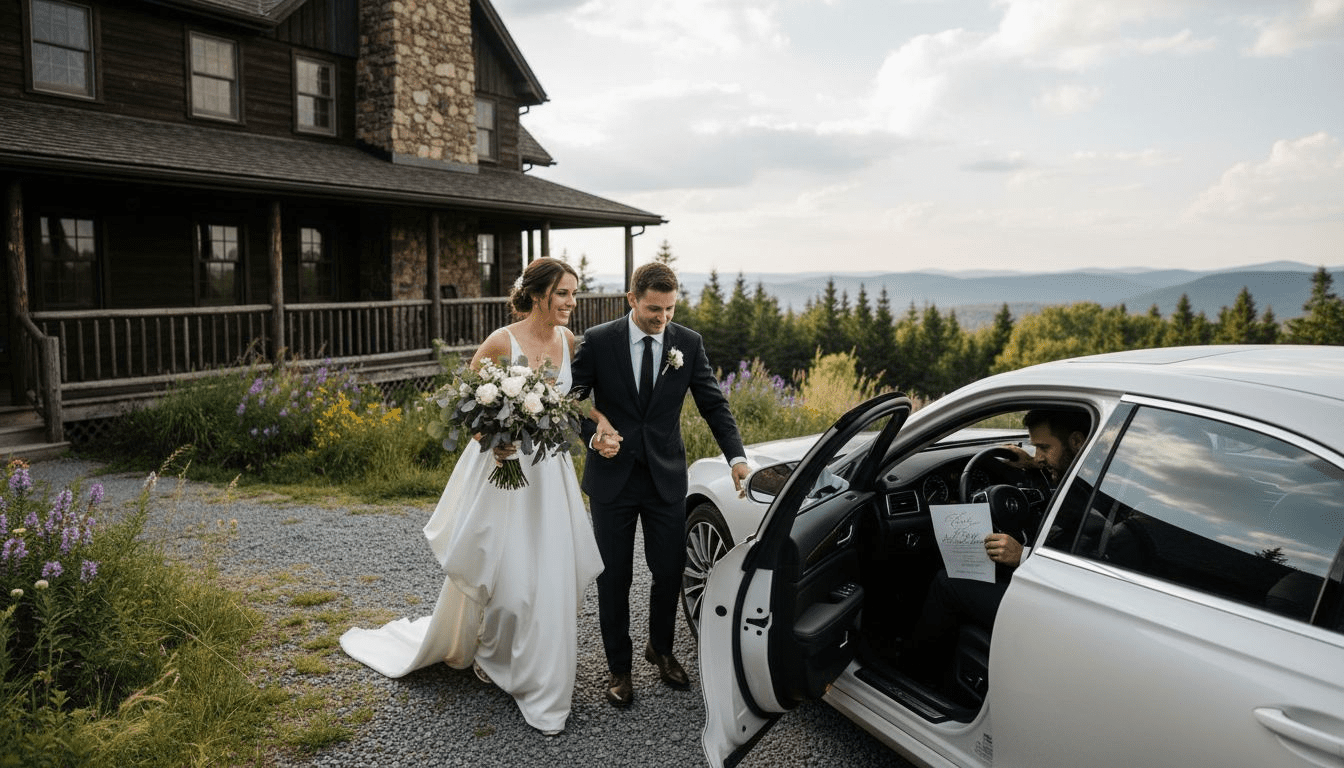
“caption”: “Bride and groom exit luxury sedan at mountain lodge”
},
“author”: {
“url”: “https://ashecountylivery.com”,
“name”: “Ashecountylivery”,
“@type”: “Organization”
},
“@context”: “https://schema.org”,
“headline”: “7 Essential Wedding Day Travel Tips for NC High Country”,
“publisher”: {
“url”: “https://ashecountylivery.com”,
“name”: “Ashecountylivery”,
“@type”: “Organization”
},
“inLanguage”: “en-US”,
“articleBody”: “Discover 7 essential wedding day travel tips for smooth logistics and guest shuttling. Learn how to plan luxury transportation in NC High Country.”,
“description”: “Discover 7 essential wedding day travel tips for smooth logistics and guest shuttling. Learn how to plan luxury transportation in NC High Country.”,
“datePublished”: “2026-01-21T10:11:37.201Z”
}
Sorting out transportation for a North Carolina High Country wedding can feel overwhelming. Guests are spread across multiple hotels and venues, mountain roads bring unique timing challenges, and special mobility needs often go overlooked. The stakes are high—one misstep means your ceremony could start late or guests might arrive frustrated and confused.
The good news is that with thoughtful planning, you can turn travel logistics into a stress free, memorable part of your celebration. This guide shares effective strategies, from booking luxury vehicles early to matching shuttle times with your wedding schedule and handling accessibility needs up front. You’ll discover actionable insights that keep every guest comfortable, on time, and ready to enjoy your big day.
Ready to create a seamless experience for your guests? These practical steps will help you sidestep common headaches and set the stage for a truly unforgettable wedding.
Table of Contents
- 1. Book Luxury Transportation Early For Peace Of Mind
- 2. Coordinate Shuttle Times To Match Your Wedding Schedule
- 3. Assess Guest Needs And Mobility For Seamless Travel
- 4. Choose Vehicles That Match Your Wedding Style
- 5. Provide Clear Directions And Pickup Locations For Guests
- 6. Plan Backup Routes For Unexpected Weather Or Delays
- 7. Communicate With Drivers For Timely Arrivals
Quick Summary
| Key Insight | Explanation |
|---|---|
| 1. Book Transportation Early | Securing luxury transportation 6 to 9 months prior ensures choices and competitive rates, reducing stress. |
| 2. Coordinate Shuttle Times | Aligning shuttle schedules with the wedding timeline ensures timely guest arrivals and enhances flow. |
| 3. Assess Guest Needs | Understanding guest mobility and preferences allows for tailored transportation solutions from the start. |
| 4. Choose Vehicles that Fit | Selecting vehicles that match your wedding style enhances aesthetics and contributes to overall guest experience. |
| 5. Provide Clear Directions | Clear directions and pickup information minimize confusion, ensuring that guests feel confident and prepared on the wedding day. |
1. Book Luxury Transportation Early for Peace of Mind
Your wedding day involves countless moving pieces, and transportation is one element you absolutely need secured well in advance. Booking luxury transportation for your North Carolina High Country wedding 6 to 9 months ahead of time removes stress and guarantees you’ll have exactly what you envision for your big day.
When you reserve early, you gain access to the best vehicles in the fleet at the most competitive rates. This timing is critical, especially if you’re planning a wedding during peak season when demand surges. Transportation companies book their premium fleet quickly during spring and fall months, so waiting until a few weeks before your wedding means settling for whatever remains available rather than having your first choice of vehicles.
Beyond vehicle selection, early booking provides scheduling flexibility that you simply cannot achieve otherwise. A 6 to 9 month window allows you to coordinate seamlessly with your other vendors. Your photographer may need the wedding party at a specific location by a certain time. Your caterer might have setup requirements that affect your timeline. Your venue coordinator has expectations about when guests should arrive. When you book transportation early, you can align all these details perfectly rather than forcing everyone else to work around last minute transportation decisions.
Consider what happens when you book with just weeks to spare. You might discover your preferred vehicle is already committed to another wedding. You cannot negotiate rates because the company has less flexibility. You have limited options for addressing scheduling conflicts or last minute changes. With eight months of lead time, you can work through potential problems before they become actual crises. If your reception location changes, you can adjust your transportation routes and timing. If your guest count shifts, you can add or remove vehicles accordingly.
Early booking for wedding transportation also demonstrates your professionalism to luxury transportation providers. Companies prioritize couples who plan ahead because it indicates you value quality service and have thought through your logistics. This often translates into better treatment, more attentive service, and willingness to accommodate special requests that might normally fall outside standard offerings.
Think about what luxury transportation for special events truly provides. It is not just a ride from point A to point B. Quality service means your guests arrive comfortable, on time, and ready to celebrate. Your wedding party looks polished and stress free. Your parents appreciate the professionalism and care. All of this becomes possible when you book well in advance and allow time for proper planning and coordination.
Pro tip: Create a transportation timeline document now with your planner and all key vendor contacts, then block out your booking call for month 8 or 9 before your wedding date to ensure you secure your preferred vehicles before peak season availability shrinks.
2. Coordinate Shuttle Times to Match Your Wedding Schedule
Timing is everything on your wedding day, and shuttle coordination makes the difference between a seamless celebration and a stressful scramble. Getting your transportation schedule aligned with ceremony start times, reception hours, and guest arrival windows requires careful planning months in advance, but the payoff is a day that flows effortlessly from one moment to the next.
Your wedding likely involves multiple locations or at least multiple time-sensitive events. Guests need to arrive at the ceremony venue with enough time to find their seats before the music starts. After the ceremony, they travel to a cocktail hour or directly to reception. Later, they might need shuttles back to their hotels. Each of these movements requires precise timing, and small miscalculations compound quickly throughout the day.
Start by mapping out your complete wedding day timeline in reverse. Work backward from your ceremony start time to determine when guests should be picked up from their hotels. Factor in travel duration on mountain roads in North Carolina’s High Country. Add a buffer for unexpected traffic. Then move forward through your timeline, identifying every shuttle movement your guests will need. When does the last shuttle leave the ceremony for the reception venue? When should the final shuttle depart the reception to return guests to accommodations?
Detailed shuttle timing planning ensures guests arrive stress free and on schedule. You are essentially creating a transportation blueprint that your drivers and your point person can follow with precision. This blueprint becomes your protection against delays and confusion.
Designate a single point person to oversee all boarding and shuttle operations on your wedding day. This person communicates with your drivers, monitors guest boarding, and addresses any issues in real time. Without this coordination, drivers make assumptions, guests miss their shuttles, and schedules fall apart. Your point person keeps everyone informed through the day and handles problem solving the moment issues arise.
Consider a real example. Your ceremony begins at 4 p.m. Guest pickup needs to start at 2:45 p.m. to allow time for travel and early seating. But some guests stay at hotels 20 minutes away while others are at accommodations just 8 minutes from the venue. You cannot run one shuttle. You need a coordinated fleet schedule where multiple shuttles depart at staggered times to accommodate different guest locations. Your point person tracks which guests board which shuttle and ensures timely departures.
Effective shuttle coordination requires collecting guest information weeks beforehand. Where are your guests staying? How many are at each location? Do any guests have mobility considerations that affect shuttle boarding? Smart wedding guest shuttle options include flexible arrangements for guests with special needs, but only if you identify those needs during planning rather than discovering them on your wedding day.
Communication channels matter tremendously. Your transportation provider should have your complete timeline and understand your expectations. Your point person needs direct contact numbers for all drivers. Guests should know their pickup times and locations clearly before the wedding. Create a simple one page document with shuttle information and distribute it to your guests weeks in advance. Include pickup times, pickup locations, driver contact information if applicable, and what to expect at each leg of the journey.
One often overlooked detail involves travel duration estimates. Roads in the High Country are beautiful but winding. Actual travel times depend on time of day, traffic patterns, and road conditions. Work with your transportation provider to establish realistic travel times rather than guessing. A drive that takes 12 minutes in light traffic might take 18 minutes during peak times. Build these real world estimates into your schedule.
Pro tip: Create a detailed timeline document shared with your transportation company and point person at least two weeks before your wedding, including all pickup times, routes, estimated travel durations, and contingency plans for late guests or unexpected delays.
3. Assess Guest Needs and Mobility for Seamless Travel
Not all of your guests will have the same transportation needs, and accounting for these differences upfront prevents day-of complications and ensures everyone feels welcomed and accommodated. Taking time to understand your guests’ mobility requirements, accessibility needs, and travel preferences allows you to design a transportation solution that works for everyone.
Your guest list likely includes a diverse mix of people. Some guests arrive with mobility challenges due to age or disability. Others may have young children or babies in car seats. Some guests prefer the convenience of flexible arrival times while others want the security of scheduled group shuttles. A few guests might have anxiety about mountain driving. Without assessing these needs, you cannot properly plan your transportation strategy.
Start your assessment by creating a simple guest survey distributed weeks before your wedding. Ask straightforward questions about hotel locations, preferred pickup times, and any accessibility accommodations needed. Frame accessibility questions with sensitivity and respect. Rather than asking “Do you have a disability,” ask “Are there any transportation accommodations that would help you have the best experience at our wedding?” This approach invites guests to share what they need without feeling singled out or uncomfortable.
Mobility considerations span a wide range of situations. Some guests use wheelchairs and need vehicles with wheelchair lifts or ramps. Others have difficulty with stairs but can transfer independently if a vehicle has low step heights. Elderly guests might appreciate vehicles with comfortable seating and easier entry points. Guests with children need vehicles that accommodate car seats safely. Understanding these varied guest needs helps you select appropriate vehicles and arrange routes accordingly.
Once you collect this information, categorize your guests by transportation type. Your luxury transportation provider can offer different vehicle options suited to different needs. Standard luxury sedans work wonderfully for most guests. Larger vehicles with wheelchair accessibility serve guests with mobility devices. Vehicles with extra legroom benefit elderly guests or those with joint issues. When you communicate these needs to your transportation company, they can assign appropriate vehicles and ensure drivers understand any special accommodations required.
Hotel locations matter significantly for your transportation planning. If guests stay at three different hotels, you need pickup routes that serve all three locations efficiently. Some hotels might be 45 minutes from your venue while others are just 15 minutes away. Assessing guest arrival schedules and hotel locations allows you to stagger pickups appropriately and ensure timely arrivals without excessive wait times.
Consider also whether your guests prefer group transportation or individual options. Families traveling together might appreciate a dedicated shuttle, while solo guests might prefer joining other guests in a shared vehicle. Some guests want the flexibility of arranging their own transportation, which is perfectly fine if you offer that option clearly. Others expect organized group transportation as part of your wedding logistics. By asking about preferences during your assessment, you can offer options that make sense.
Children present their own set of transportation considerations. Young children need car seats, which must be properly installed by someone trained in installation. Older children might get anxious in vehicles with unfamiliar drivers. Communicating with parents about their children’s needs and providing reassurance goes a long way toward keeping kids comfortable during transit.
Do not overlook comfort preferences that affect the overall experience. Some guests get queasy on winding mountain roads, so they might appreciate front seat positioning or regular breaks. Guests with hearing difficulties might need drivers to face them while speaking. Guests who are deaf or hard of hearing might prefer written communication. These details seem small but significantly impact whether your guests feel truly cared for throughout their wedding day experience.
Your transportation provider can help identify gaps in your assessment. They have experience with what questions to ask and what situations commonly arise at mountain weddings. Share your guest survey results with them and ask for their recommendations. They might suggest solutions you had not considered.
Pro tip: Include a simple accessibility question in your RSVP card or digital RSVP form asking guests to note any transportation accommodations they need, then share all responses with your transportation provider at least six weeks before your wedding.

4. Choose Vehicles That Match Your Wedding Style
Your wedding transportation is not just logistics, it is part of your visual story and guest experience. The vehicles you choose communicate style, set the tone for your celebration, and create those Instagram-worthy moments that your guests will remember long after the day ends. Selecting transportation that authentically reflects your wedding aesthetic transforms arrivals and departures into memorable highlights.
Think about what your wedding says about you as a couple. Are you planning an elegant, formal affair with classic details? A bohemian celebration in the mountains? A modern, minimalist gathering? A fun, eclectic party that celebrates your personalities? Your transportation should complement and enhance these themes rather than clash with them.
Luxury transportation options range far more widely than many couples realize. Classic vehicles like vintage Rolls-Royces and Bentleys bring timeless elegance and work beautifully for formal, traditional weddings. Modern limousines offer sleek sophistication and accommodate larger groups. Luxury Mercedes and other contemporary high-end vehicles provide refined style without appearing overly formal. For couples seeking something unexpected, options like VW camper vans or other specialty vehicles add personality and charm to more casual or theme-focused weddings.
The North Carolina High Country setting influences vehicle selection in specific ways. Mountain backdrops work wonderfully with classic vehicles that evoke a sense of heritage and tradition. They pair equally well with modern luxury vehicles that create striking contrast against natural scenery. The winding roads and scenic vistas mean your vehicles will be photographed extensively as guests arrive and depart. Considering how vehicles appear in your mountain setting helps guide your choices.
Color coordination matters more than many couples think. White vehicles are traditional for weddings and work with nearly any aesthetic. Black vehicles project sophistication and formality. Champagne and silver tones offer elegance with subtle personality. Some luxury transportation providers offer colored ribbons, flowers, or other decorative touches that align with your wedding colors without requiring a complete vehicle wrap. Discuss these options with your transportation company during the planning process.
Guest capacity and comfort influence both practical and aesthetic choices. A fleet of luxury sedans accommodates smaller guest groups and provides personalized service. Larger shuttles serve more guests efficiently but have a different visual impact in your wedding timeline. You might use luxury sedans for the wedding party and immediate family while providing shuttle service for other guests. This tiered approach allows different guest groups to have experiences that match their role in your celebration.
Various types of wedding transportation serve different style preferences and practical needs. A professional transportation provider can show you the exact vehicles in their fleet so you know precisely what you are getting. Request photos of vehicles in different settings and lighting conditions. Ask to see how vehicles look decorated for weddings. This allows you to make informed decisions rather than choosing based on descriptions alone.
Interior details matter as much as exterior style. Luxury vehicles often feature leather seating, climate control, and premium sound systems that enhance passenger comfort during transit. Some vehicles include amenities like champagne service, mood lighting, or refreshments. These interior touches add luxury and create wonderful experiences for your guests during travel time.
Timing affects how vehicles appear in your wedding day photography and video. Morning light creates different effects than evening light. The season influences how vehicles photograph against mountain scenery. Discussing your wedding time and date with your transportation provider helps them position vehicles strategically for optimal visual impact in your photographer’s and videographer’s shots.
Do not underestimate the emotional impact of vehicle choice on your wedding day experience. When you arrive at your venue in a vehicle that perfectly matches your vision, you feel more confident and ready to celebrate. Your guests notice the thoughtfulness and quality of details like transportation. These small touches accumulate to create the overall impression your guests take away from your wedding.
Pro tip: Request a full fleet walkthrough with your transportation provider at least three months before your wedding, taking photos and videos of the exact vehicles you will use so you can share them with your wedding photographer and videographer for creative shot planning.
5. Provide Clear Directions and Pickup Locations for Guests
Confusion about where to go and when causes unnecessary stress on your wedding day. Providing explicit directions and pickup location information upfront transforms your guests from anxious travelers into confident arrivals, allowing them to focus on celebrating rather than figuring out logistics. This single step eliminates a huge category of last-minute phone calls and problems.
Your guests come from different places and have varying familiarity with the North Carolina High Country. Some live locally and know the roads well. Others are visiting from out of state and have never driven mountain roads before. Out of town guests might struggle with GPS signals in areas with spotty cell coverage. A guest driving at night might miss crucial turns on winding roads. Clear, detailed directions account for these variations and help everyone arrive successfully.
Start by creating a comprehensive directions document that covers all key locations in your wedding day timeline. Where do guests pick up transportation? Where is the ceremony venue and what happens if they drive themselves? Where do they go for cocktails? Where is the reception? Are there parking considerations at any location? What time should guests plan to arrive at each stop? A single document addressing all these questions becomes an invaluable resource.
Embedding maps and detailed directions on your wedding website helps guests access this information whenever they need it. Digital maps on your wedding website should include interactive elements that show exact pickup locations, parking areas, and venue addresses. Map links allow guests to input addresses directly into their own navigation apps. This digital accessibility means guests can reference information multiple ways rather than relying solely on printed materials.
Pickup locations need extra clarity because they differ from ceremony or reception venues. If your guests are picking up shuttles from a hotel, be specific about which hotel entrance, which parking area, and what time the shuttle departs. Include a hotel phone number in case guests arrive early and need assistance locating the pickup area. Describe nearby landmarks that help guests orient themselves. “The shuttle departs from the north entrance of the Hampton Inn on Main Street, near the brick fireplace, at 2 p.m.” tells guests far more than “Pickup at Hampton Inn.”
Consider creating a simple visual reference guide for your guests. Include a map showing each venue’s location relative to major roads and landmarks. Indicate which routes have significant elevation changes or winding sections that might take longer than GPS estimates suggest. Note parking availability and any parking restrictions. This visual context helps guests understand the geography of your wedding day and prevents surprises during travel.
Multiple reminders work far better than a single notice. Include directions in your wedding invitations. Mention them again in your rehearsal dinner information if you have one. Send a final reminder email one week before your wedding. Post directions on your wedding website with a dedicated section that guests can bookmark. Each reminder reaches guests at different times and reinforces information when they need it most.
Address potential complications directly in your directions. If certain roads close seasonally or have weather related restrictions, mention this. If there are significant elevation changes that might affect guests with certain health conditions, note that. If traffic patterns typically cause delays at specific times, warn guests accordingly. This proactive communication helps guests plan for real world conditions rather than discovering problems on wedding day.
Include emergency contact information in your directions materials. If a guest’s car breaks down or they get lost, who do they call? Provide your phone number, your wedding coordinator’s number if you have one, and your venue contact information. A guest stuck on a mountain road needs to know they can reach someone who can help.
For guests using the transportation services you have arranged, provide clear information about driver contact procedures. Will drivers contact guests through text message or phone call? How far in advance? What should guests do if they are running late? Creating these communication pathways prevents confusion and ensures guests understand exactly what to expect.
Weather conditions in the High Country can change rapidly, and this affects driving conditions. If your wedding occurs during a season with potential inclement weather, mention this in your directions and recommend that guests check weather forecasts the day before traveling. Suggest that guests allow extra time if conditions deteriorate. This preparation helps guests make informed decisions about their travel.
Pro tip: Create a one page PDF directions document two months before your wedding, share it on your wedding website, and send it to guests in a separate email with the subject line “Wedding Day Directions and Logistics,” then send a reminder email exactly one week before your wedding with the same document attached.
6. Plan Backup Routes for Unexpected Weather or Delays
Mountain weather changes without warning, and roads in the North Carolina High Country present unique challenges that can disrupt even well planned transportation schedules. Having backup routes and contingency plans ensures your wedding timeline stays on track even when unexpected conditions arise. This preparation transforms potential chaos into manageable adjustments.
The High Country experiences weather patterns that differ significantly from lower elevations. Spring and fall can bring sudden rain or fog that reduces visibility and increases travel times. Winter weather occasionally includes ice or snow that closes roads or makes driving treacherous. Summer thunderstorms develop quickly and can cause flash flooding in certain areas. Even mild weather conditions might mean that a drive taking 15 minutes in optimal circumstances stretches to 25 minutes on your wedding day.
Beyond weather, other factors cause delays. Road construction, traffic accidents on major routes, or unexpected detours can all impact travel times. A primary route might be blocked unexpectedly, forcing drivers to navigate unfamiliar backup roads. Without alternate routes identified in advance, drivers waste time figuring out workarounds while your guests sit anxiously waiting.
The solution involves mapping multiple routes from each key starting point to each destination. Your primary route might be the fastest or most scenic option. Your secondary route takes a different path that avoids the primary route’s vulnerable sections. Your tertiary route provides a third option if both primary routes encounter problems. Planning backup routes for unexpected delays requires identifying these alternatives months before your wedding, not the morning of your event.
Test these routes yourself at the actual time your wedding day transportation will occur. If your ceremony starts at 4 p.m. and guests need to arrive by 3:30 p.m., drive your routes at 2:30 p.m. on a similar day of the week to understand realistic travel times and traffic patterns. This testing reveals which routes experience congestion during your wedding time window. A route that seems quick at 10 a.m. might be gridlocked at 3 p.m.
Consider seasonal and weather specific factors when testing routes. If your wedding occurs in winter, drive the routes after a snowfall to understand how weather affects travel. If it is spring, test after heavy rain when some roads might flood. Drive during different weather conditions, not just optimal weather, to see how routes perform under stress. This real world testing gives you actual data rather than assumptions.
Share your backup route information with your transportation provider well in advance. Your drivers need to know these alternate routes and when to use them. They should understand the decision making process. If the primary route experiences unexpected delays, who decides to switch to a backup route? How quickly can the driver make that decision and change course? Establishing clear protocols beforehand prevents drivers from making reactive decisions during stressful moments.
Communication becomes critical when delays occur. Your point person needs to monitor transportation in real time and alert all relevant parties if schedule changes become necessary. If a shuttle is running 20 minutes behind, the ceremony coordinator needs to know so they can adjust the schedule. If weather forces an alternate route, guests should receive an update explaining the change. Transparent communication prevents confusion and keeps everyone on the same page.
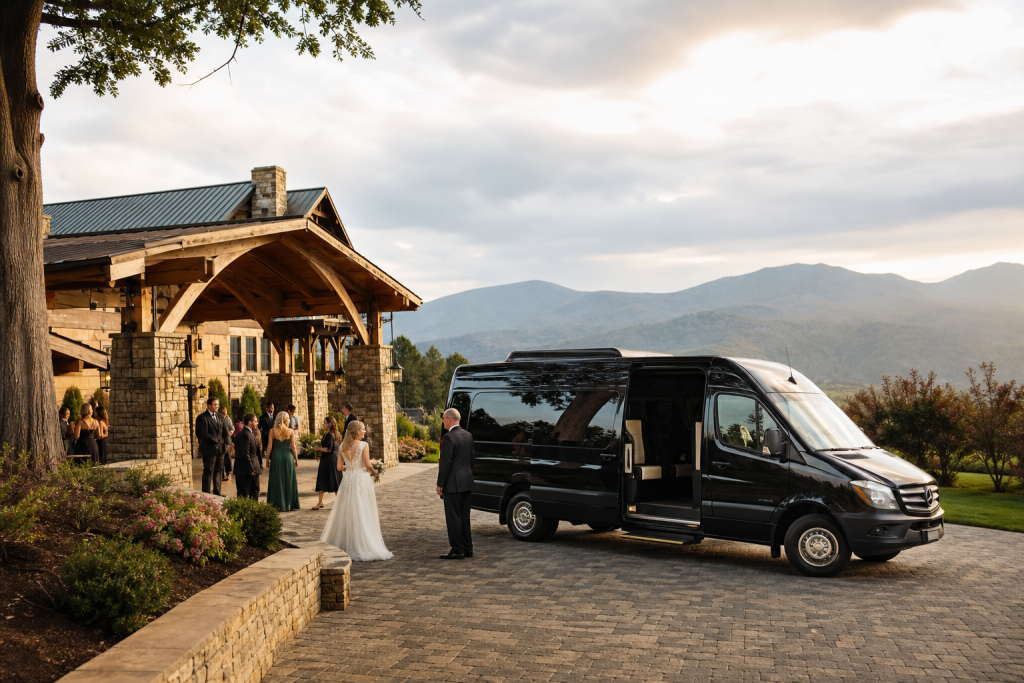
Build buffer time into your overall schedule to accommodate minor delays without causing cascading problems. If your ceremony begins at 4 p.m., planning for guest arrivals by 3:20 p.m. rather than 3:50 p.m. provides cushion for unexpected delays. That 30 minute buffer prevents a 10 minute traffic jam from throwing off your entire timeline. This cushion cost nothing but provides enormous peace of mind.
Consider the specific vulnerabilities of your wedding day geography. If your ceremony venue sits at high elevation and receives weather differently than lower areas, account for this. If your reception venue is further away than your ceremony venue, ensure transportation timing allows adequate arrival windows. If guests travel between multiple venues, identify which transitions are most time sensitive and deserving of extra planning attention.
Document your route planning in writing and share it with your transportation provider, wedding coordinator, and point person. Include maps showing primary and alternate routes with estimated drive times for each. List potential weather or traffic scenarios and the response plan for each scenario. Having this documentation ensures everyone understands the game plan rather than improvising during your wedding day.
Do not overlook parking and turnaround time at venues. A vehicle might reach a venue quickly but then spend 10 minutes circling to find an appropriate parking spot or passenger drop off location. Account for these final details when planning routes and time buffers.
Pro tip: Drive your primary and backup routes at least three times between one and two months before your wedding, each time at the exact hour your guests will be traveling, and document travel times, traffic patterns, and potential hazards in a spreadsheet to share with your transportation provider.
7. Communicate With Drivers for Timely Arrivals
Your carefully planned transportation schedule only works if your drivers understand it completely and stay connected throughout your wedding day. Clear communication with drivers transforms them from passive service providers into active partners invested in your success. This ongoing dialogue prevents misunderstandings and enables real time problem solving when issues arise.
Drivers need far more information than just a pickup time and destination address. They need your complete wedding day itinerary showing every guest movement, timing, and location. They need to understand contingency plans and decision making protocols. They need to know who to contact if problems arise and how quickly communication needs to happen. They need detailed information about any special accommodations or considerations for specific guests. All of this information should be provided weeks before your wedding, not the morning of your event.
Start by scheduling a detailed planning call with your transportation provider at least four weeks before your wedding. Walk through your complete timeline and answer all driver questions thoroughly. Clarify which routes drivers should use and when to switch to backup routes. Explain your communication system and how you will relay schedule updates. Confirm driver contact information and establish the best way to reach them during your wedding day.
Provide written documentation that drivers can reference throughout the day. Create a simple one page sheet with your complete timeline, all addresses, parking information, and contact numbers. Include photos of key locations so drivers can visually recognize pickup areas and venues. Provide weather contingency information and alternate route instructions. When drivers have written materials they can consult, they do not need to call you with questions they can answer themselves.
Clear communication with wedding drivers maintains punctuality and reduces confusion throughout your event. Drivers who understand your expectations and have detailed information make better decisions independently. They can manage traffic issues without needing your approval for every minor adjustment. They can communicate professionally with your guests because they understand the full context of your wedding.
Establish a clear communication protocol for your wedding day. Who will drivers contact if they encounter delays? Will you have a dedicated point person managing all transportation communications? Will your transportation provider have a dispatcher coordinating multiple vehicles? Drivers need to know exactly who to reach and how to reach them. Vague communication channels lead to confusion when time sensitive decisions need to happen.
Use your transportation provider’s tracking and communication tools if available. Many luxury transportation companies offer apps or systems that let you monitor vehicle locations and send messages to drivers in real time. These tools prevent the need for constant phone calls and create a clear record of communications. Drivers can acknowledge receipt of messages and confirm route changes, ensuring everyone stays on the same page.
Provide schedule updates proactively rather than waiting for drivers to ask for clarification. If your ceremony is running 15 minutes ahead of schedule, inform drivers immediately so they can adjust guest pickup timing accordingly. If weather develops that might affect travel times, send drivers a weather update with recommended timing adjustments. Proactive communication prevents drivers from making assumptions based on outdated information.
Be specific about any special instructions related to individual guests. If elderly guests need extra time to board, drivers should know this and account for it. If certain guests have anxiety about mountain driving, drivers should know to drive smoothly and be extra reassuring. If a guest has a hearing aid that might make communication difficult, drivers should know to face the guest when speaking. These details help drivers provide better service and prevent uncomfortable situations.
Confirm driver arrival times with you the morning of your wedding. A quick text or phone call confirming drivers are en route and on schedule prevents last minute surprises. If a driver is running behind due to unexpected traffic, you know immediately and can adjust your timeline accordingly. This final confirmation ensures you start your wedding day with full visibility into transportation status.
Treat your drivers with respect and appreciation. They are essential partners in your wedding day success. Thank them for their professionalism. Offer them refreshments if they are waiting between shuttles. Acknowledge the importance of their role. Professional drivers take pride in their work and respond positively to clients who recognize their contribution. This positive relationship often translates into extra attention to detail and flexibility when unexpected situations arise.
Important: Document all major communications with drivers in writing, whether through email, text, or your transportation provider’s app, so you have a clear record if questions arise later about what was communicated and when.
Pro tip: Send your transportation provider a finalized wedding day itinerary at least two weeks before your wedding, then schedule a 30 minute call with the lead driver one week before your event to review the timeline, answer questions, and confirm all logistics one more time.
Below is a comprehensive table summarizing the main insights and strategies discussed throughout the article regarding wedding transportation planning and considerations.
| Category | Key Practices | Primary Benefits |
|---|---|---|
| Early Booking | Reserve transportation 6–9 months in advance. | Ensures vehicle choice, secures optimal rates, and allows coordination with other vendors. |
| Shuttle Coordination | Plan guest transport schedules to match event timelines. | Promotes seamless transitions between venues and prevents delays. |
| Guest Mobility Considerations | Assess guest accessibility and mobility needs through surveys. | Encourages inclusive solutions, ensuring all guests’ comfort and confidence. |
| Style and Vehicle Selection | Choose vehicles that complement the wedding theme, and coordinate fleet sizes for guest numbers. | Enhances the visual impact of events while meeting practical transportation needs. |
| Detailed Directions | Provide explicit pickup locations, travel routes, and documentation for drivers and guests. | Reduces confusion, improves punctuality, and minimizes stress for attendees. |
| Backup Planning | Identify alternate routes for adverse weather or unexpected delays. | Maintains schedule integrity and provides contingency options. |
| Communication with Drivers | Establish clear communication channels with transportation providers and designate a central contact person. | Facilitates real-time problem-solving and ensures drivers adhere to the detailed wedding plan. |
Secure Seamless Luxury Wedding Transportation in North Carolina’s High Country
Planning the perfect wedding day requires flawless transportation that matches your vision while addressing guest needs and timing challenges highlighted in the article “7 Essential Wedding Day Travel Tips for NC High Country.” From coordinating shuttle schedules and providing clear pickup directions to choosing vehicles that reflect your wedding style, every detail matters. Avoid last-minute stress by trusting a proven partner who understands the unique demands of mountain weddings.
Choose Ashe County Livery for personalized, reliable luxury transportation featuring a fleet of high-end Mercedes vehicles and professional chauffeurs dedicated to your special day. With our family-owned service, you gain peace of mind knowing your wedding travel logistics are expertly handled. Visit our wedding transportation page today to secure your booking early and experience the true meaning of stress-free, stylish travel in the North Carolina High Country. Contact us now and make your big day unforgettable.
Frequently Asked Questions
When should I book transportation for my wedding in the North Carolina High Country?
Booking your wedding transportation 6 to 9 months in advance is crucial. This early reservation ensures you have access to the best vehicles and rates, allowing you to coordinate details seamlessly with your other vendors.
How can I ensure my guests arrive on time for the ceremony?
To keep your schedule on track, create a detailed shuttle timing plan that matches your wedding day itinerary. Start by mapping out pickup times and locations, factoring in travel durations and any potential delays, to prevent confusion on the day.
What should I consider when assessing my guests’ transportation needs?
Evaluate your guests’ mobility and accessibility requirements ahead of time. Create a simple survey asking about their hotel locations and any specific accommodations needed, ensuring you can plan suitable transportation options for everyone.
How do I select vehicles that fit my wedding theme?
Choose vehicles that enhance your wedding style, whether it’s classic, modern, or eclectic. Consider how the vehicle style complements your wedding aesthetic and think about guest capacity for a balanced experience during transportation.
What should I include in the directions for my guests?
Provide clear, detailed directions for all key locations involved in your wedding day, including pickup points and venues. Create a comprehensive document that addresses potential parking issues, landmarks, and travel duration to help guests navigate confidently.
How can I prepare for unexpected weather or delays on my wedding day?
Plan backup routes to accommodate unexpected changes in weather or road conditions. Map out primary and alternate routes from each key location, and document them so your drivers can switch routes quickly if needed.
Recommended
- Wedding Airport Shuttles: Ensuring Timely Transfers – Ashe County Livery blog
- 7 Smart Wedding Guest Shuttle Options to Know Now – Ashe County Livery blog
- Airport Transfer Guide 2025: Stress-Free NC High Country Trips – Ashe County Livery blog
- Airport Transfer for Bridal Parties: Complete Guide – Ashe County Livery blog
Related reading
- Mountain Wedding Weekend: Planning a Multi-Day Celebration in the High Country
- 7 Best Wedding Limo Options for High Country Couples
Explore More from Ashe County Livery
- Wedding Transportation — Luxury shuttles for your big day
- Wedding venues we serve — 40+ High Country venues
- Our Brides & Grooms — See real couples who rode with us
- ACL Wedding Services — Full wedding transportation packages
- High Country Wine Tours — Mountain winery shuttle service
- Airport Shuttle Service — CLT, AVL, GSO & TRI transfers
- Airport shuttles by town: Boone · Blowing Rock · Banner Elk · West Jefferson · Linville · Beech Mountain
- Ashe County Livery — Premium transportation in NC’s High Country
- Request a free quote — or call (336) 484-1350
Ashe County Livery — Family-owned luxury transportation in North Carolina’s High Country. Learn more or call (336) 484-1350.
Ready to Book Your Ride?
Ashe County Livery provides luxury transportation for wine tours, weddings, and airport transfers throughout NC’s High Country.
🍷 Visiting the NC High Country? Add a Wine Tour!
Make your High Country trip unforgettable with a private chauffeured wine tour. Visit award-winning mountain wineries, enjoy stunning Blue Ridge views, and leave the driving to us.
Serving Banner Elk, Blowing Rock, Boone, and all NC High Country destinations • (336) 484-1350
You Might Also Like