If you’re visiting the North Carolina High Country — whether for a wedding at a mountain venue, a wine tour through Yadkin Valley, or an airport transfer from Charlotte or Asheville — chances are you’ve noticed something: Uber and Lyft coverage out here is limited. Sometimes nonexistent.
That gap has created an opportunity for individuals to offer rides to the airport or shuttle services for events, often advertising on social media or through word of mouth at bargain-basement prices.
And while a low fare might sound like a great deal, it could also be a serious red flag.
What North Carolina Law Requires
Transporting passengers for compensation in North Carolina isn’t as simple as having a car and a willingness to drive. The state has specific requirements designed to protect passengers:
1. For-Hire Vehicle Registration and Plates
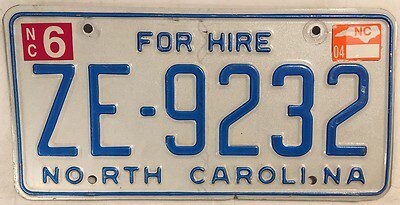
Under N.C.G.S. § 20-87, every vehicle used to transport passengers for hire must be registered as a for-hire vehicle with the NC Division of Motor Vehicles. These vehicles receive distinctive for-hire plates — not standard personal vehicle tags. This registration confirms the vehicle has been identified and approved for commercial passenger use.
2. Commercial Livery Insurance — $1.5 Million Minimum
This is the big one. North Carolina requires for-hire passenger vehicles carrying 15 passengers or fewer to maintain a minimum of $1,500,000 in Combined Single Limit (CSL) liability insurance. For larger vehicles carrying 16 or more passengers, the minimum jumps to $5,000,000 CSL.
This isn’t just any insurance — it must be a policy specifically written for for-hire passenger transportation. Personal auto policies, general business insurance, and even rideshare addendums do not meet this requirement.
3. Transportation Commerce Tax
The NC Department of Revenue requires all for-hire ground transport providers to collect and remit a 1.5% excise tax on revenue from exclusive-ride services (1% for shared rides). Legitimate operators include this tax in their pricing and handle the reporting to the state — you may not see it as a separate line item, but a licensed carrier is collecting and remitting it.
Why This Matters to You as a Passenger
Here’s the scenario no one wants to think about: You’re in a vehicle traveling mountain roads — steep grades, sharp curves, unpredictable weather. An accident happens.
If your driver is a properly licensed and insured for-hire operator, their $1.5 million commercial policy covers you. Medical bills, liability, damages — that’s what the policy is there for.
But if your driver is an individual operating without proper for-hire insurance, here’s what likely happens:
Their Personal Auto Insurance Denies the Claim
Standard personal auto policies contain explicit exclusions for commercial use and “driving for hire.” Insurance companies investigate claims. When they discover the vehicle was carrying a paying passenger, they have grounds to deny coverage entirely. This isn’t theoretical — it’s how personal auto policies are written.
The Uber/Lyft Addendum Doesn’t Apply
Some drivers assume that the rideshare endorsement on their personal policy covers all for-hire driving. It doesn’t. Those addendums specifically cover trips booked through the Uber or Lyft platform while the driver is logged into the app. An independent airport run or wedding shuttle? Not covered.
General Business Insurance Doesn’t Cover It Either
A general liability policy for a business doesn’t extend to the specialized risks of transporting passengers for compensation.
You Could Be Left with No Coverage at All
If the driver’s insurance is denied and they have no commercial policy, the financial burden of an accident falls on the individuals involved — which includes you.
The Red Flags to Watch For
How can you tell the difference between a legitimate transportation company and someone operating outside the law? Here are the warning signs:
🚩 The price is dramatically lower than established companies. Licensed operators carry significant costs — $1.5 million insurance policies, for-hire registration, commercial vehicle maintenance, excise taxes. If someone is quoting you 40-50% less than legitimate companies, ask yourself what they’re not paying for.
🚩 They can’t provide proof of insurance. Any legitimate for-hire operator should be able to provide a Certificate of Insurance showing commercial livery coverage. If they hesitate, make excuses, or offer to show you a personal auto policy instead — that’s your answer.
🚩 No for-hire plates on the vehicle. Look at the license plate. NC for-hire vehicles carry distinctive registration plates — like the example shown above — not standard personal vehicle tags.
🚩 They’re not registered for the Transportation Commerce Tax. Licensed for-hire operators are required to collect and remit this tax to the state. Many include it in their pricing rather than listing it separately — but an unlicensed operator isn’t paying it at all, which is one reason their prices can be artificially low.
🚩 They operate through personal social media or word-of-mouth only. While this alone isn’t definitive, legitimate transportation companies typically maintain a business presence — website, business listings, reviews — because they’ve invested in building a real operation.
What to Ask Before You Book
Protect yourself with these simple questions:
- “Can you provide a Certificate of Insurance showing commercial livery coverage?” — A legitimate operator will have this readily available.
- “Do your vehicles carry NC For-Hire plates?” — The answer should be an immediate yes.
- “Are you registered with NC DOR for the Transportation Commerce Tax?” — A licensed operator will know exactly what you’re talking about.
- “How long have you been operating as a licensed for-hire carrier?” — Listen for confidence and specifics, not vague answers.
If any of these questions make a provider uncomfortable or evasive, consider that a clear signal.
Our Commitment to Your Safety
At Ashe County Livery, every vehicle in our fleet carries NC For-Hire registration and plates, is covered by commercial livery insurance meeting or exceeding NC’s $1.5 million CSL requirement, and is professionally maintained for the mountain roads we drive every day.
We collect and remit all required taxes. We carry the insurance that protects you. And we’ve built our business on doing things the right way — because when you’re trusting someone with the safety of your family, your wedding party, or your group of friends on a wine tour, “the right way” is the only way that should matter.
The cheapest ride isn’t always the best deal. The safest one is.
Explore More from Ashe County Livery
- High Country Wedding Transportation
- High Country Wine Tours
- Yadkin Valley Wine Tours
- Airport Shuttle Service
Book your transportation or call (336) 484-1350.