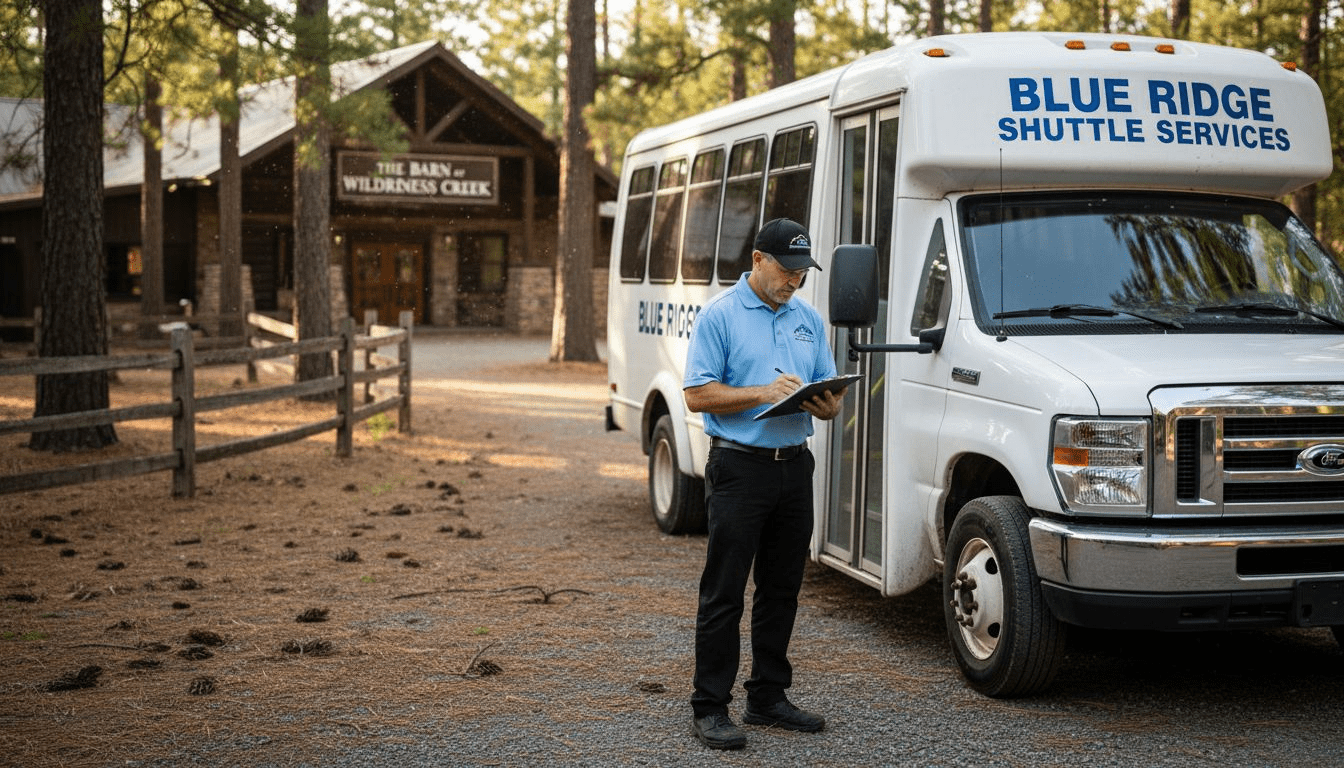
Nearly every american event planner knows that guest transportation can make or break a high-end gathering. In the North Carolina High Country, where venues are often tucked between scenic ridges and sprawling vineyards, the right shuttle service matters as much as the venue itself. With over 90% of luxury weddings and winery tours requiring specialized transport, this guide explains the essential event shuttle terminology and concepts you need to coordinate seamless, elevated guest experiences.
Table of Contents
- Defining Event Shuttle Terminology And Concepts
- Types Of Event Shuttle Services Offered
- Essential Features And Operations Of Shuttles
- Safety, Licensing, And Insurance Standards
- Booking, Coordination, And Client Roles
Key Takeaways
| Point | Details |
|---|---|
| Understanding Shuttle Types | Familiarize yourself with fixed-route, flexible routing, and demand-responsive shuttle services to select the best option for your event. |
| Operational Excellence | Implement real-time tracking and route optimization to enhance passenger experience and minimize delays. |
| Safety and Compliance | Ensure all shuttle services meet regulatory standards, including licensing and insurance requirements, for safe transportation. |
| Effective Communication | Maintain clear communication between event planners, shuttle providers, and clients to ensure streamlined transportation logistics. |
Defining Event Shuttle Terminology and Concepts
Event shuttle services represent specialized transportation solutions designed to move groups efficiently between designated locations during planned gatherings. These services have unique operational frameworks that distinguish them from standard transportation options. Shuttle service management for large events involves understanding several critical terminologies and conceptual frameworks that ensure smooth logistics.
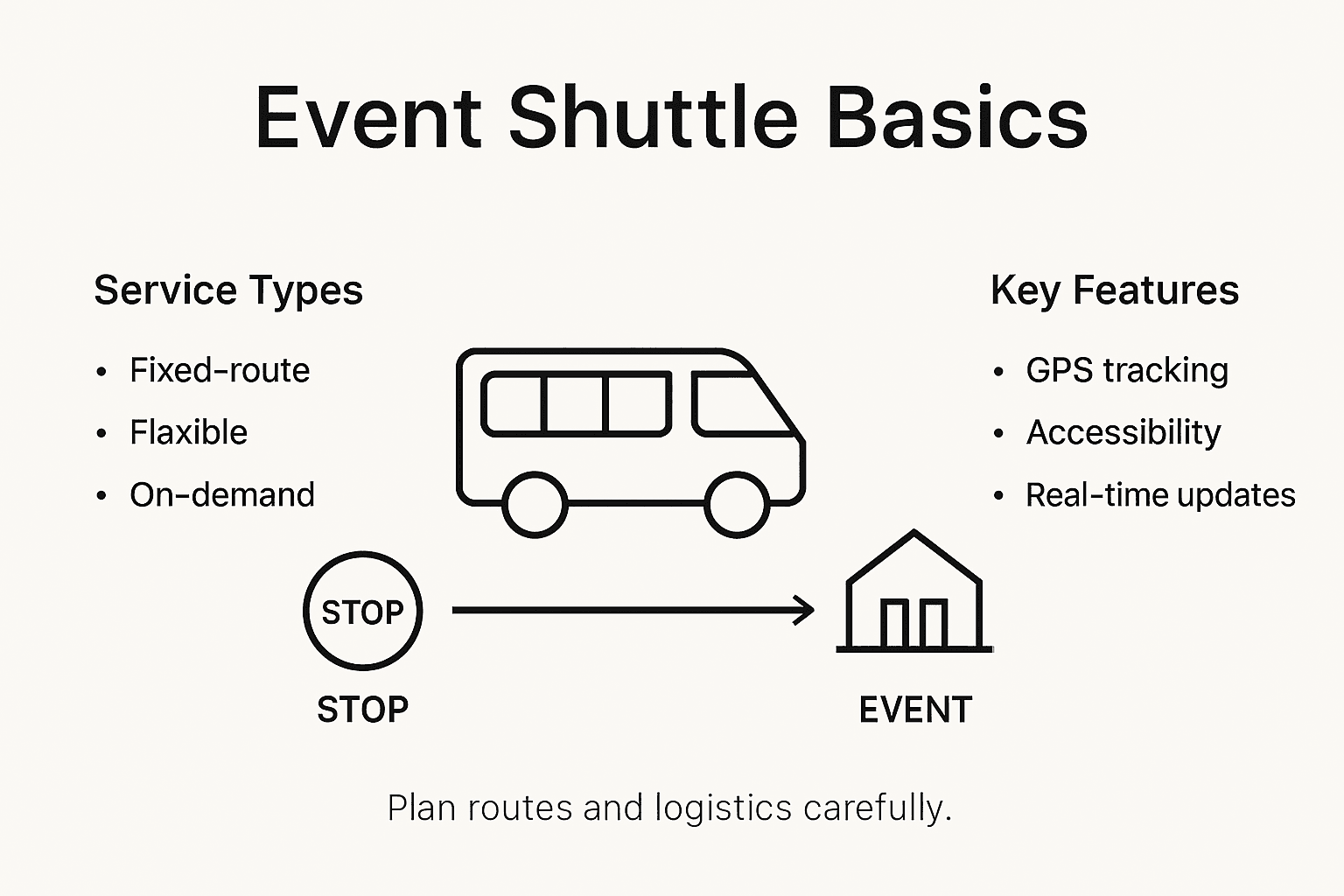
Key shuttle service concepts include fixed-route systems, where vehicles follow predetermined paths between specific points, and on-demand shuttles, which provide more flexible pickup and drop-off options based on real-time passenger requirements. Event planners must understand distinctions like headways (intervals between shuttle departures), vehicle cycles (complete route completion times), and passenger capacity to design effective transportation strategies. These technical parameters help coordinate complex movement needs for weddings, corporate events, and regional conferences in the North Carolina High Country.
Professional event shuttle services also incorporate nuanced operational models that prioritize passenger experience and logistical efficiency. Automated shuttle project frameworks highlight the importance of understanding stakeholder roles, including drivers, dispatchers, route coordinators, and passenger management teams. Each role contributes to creating a seamless transportation experience that minimizes wait times, reduces confusion, and ensures reliable transit between event locations.
Pro tip: When planning event shuttles, always conduct a detailed route survey and create contingency plans for potential transportation disruptions to guarantee smooth guest movement.
Types of Event Shuttle Services Offered
Event transportation encompasses multiple sophisticated service models tailored to diverse logistical requirements in the North Carolina High Country. Comprehensive event shuttle service types range from traditional fixed-route systems to innovative demand-responsive alternatives that prioritize passenger convenience and operational efficiency.
The primary categories of event shuttle services include fixed-route shuttles, which operate on predetermined paths with consistent schedules, and flexible routing shuttles that adapt dynamically to participant needs. Automated shuttle project designs further demonstrate emerging transportation strategies, including first and last mile connectivity options that bridge gaps between primary event locations and surrounding areas. These approaches are particularly valuable for complex events like mountain weddings, corporate retreats, and regional conferences where traditional transportation models might prove inadequate.
Moreover, modern event shuttle services increasingly incorporate sustainable mobility solutions such as electric vehicles, shared mobility platforms, and integrated mass transit connections. These innovative approaches not only reduce environmental impact but also provide cost-effective transportation alternatives for event planners. Specialized services can range from luxury Mercedes shuttle experiences for high-end weddings to practical group transportation for large corporate events, ensuring each client receives precisely tailored mobility solutions.
Pro tip: Always conduct a comprehensive route analysis and passenger flow assessment before selecting your event shuttle service to maximize efficiency and guest satisfaction.
Here’s a comparison of key event shuttle service types and their unique advantages:
| Shuttle Type | Main Benefit | Best For |
|---|---|---|
| Fixed-route | Predictable timing | Large, scheduled events |
| Flexible routing | Adapts to guest needs | Small weddings, dynamic groups |
| Demand-responsive | Real-time scheduling | Conferences or private retreats |
| Sustainable mobility | Lower emissions, eco-friendly | Corporate events, green venues |
Essential Features and Operations of Shuttles
Event shuttle operations represent a complex ecosystem of technological and logistical considerations that ensure seamless passenger transportation. Autonomous shuttle pilot program features highlight critical operational elements including vehicle reliability, advanced communication systems, and robust safety protocols that are essential for successful event transportation in the North Carolina High Country.
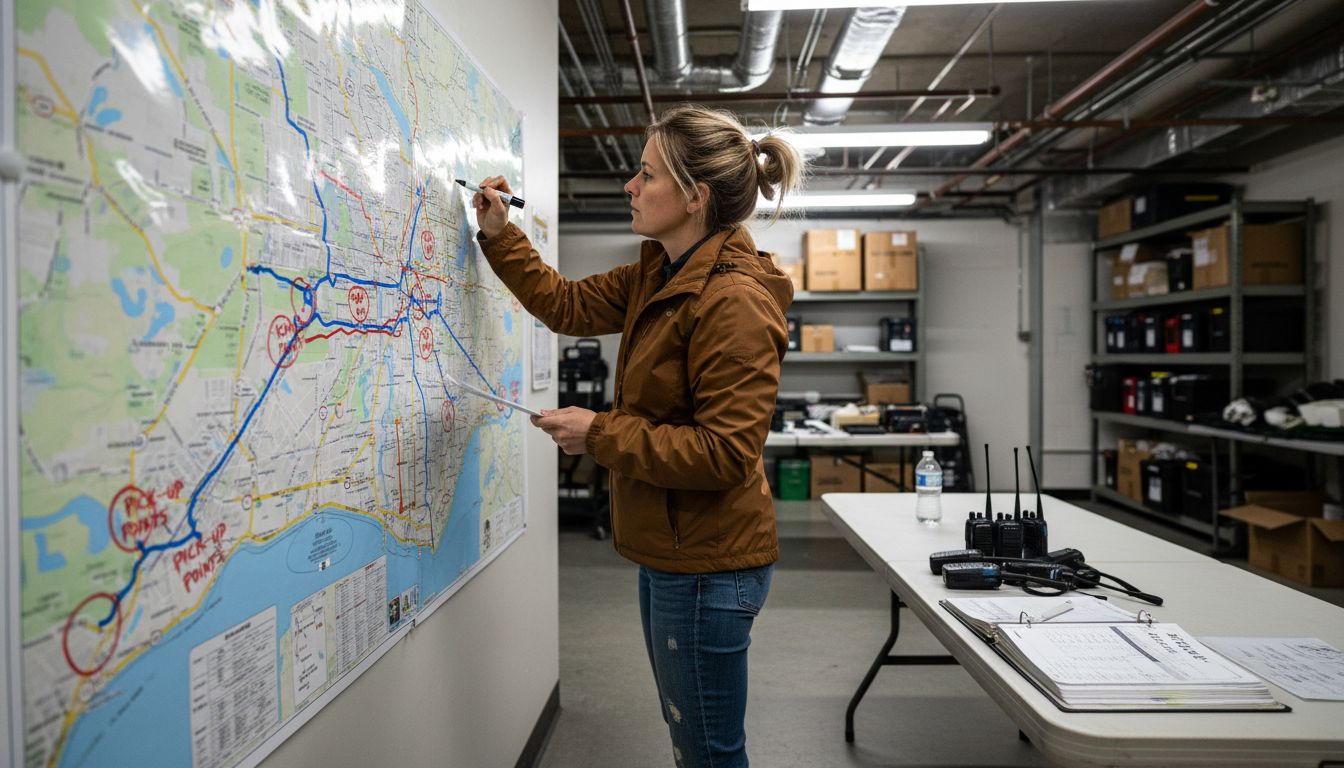
Key operational features of modern event shuttles encompass sophisticated technologies and strategic management approaches. Route optimization and real-time tracking enable precise scheduling and passenger management, while advanced shuttle operations management techniques incorporate data analytics to predict passenger flow and minimize wait times. Critical operational components include driver training, vehicle maintenance protocols, accessibility considerations, and adaptive routing strategies that respond dynamically to changing event requirements.
Technological integration plays a pivotal role in contemporary shuttle operations. Modern shuttles utilize GPS tracking, automated passenger counting systems, and integrated communication platforms that provide real-time updates to event coordinators and passengers. These advanced features allow for seamless coordination between shuttle services, event venues, and participants, ensuring smooth transportation experiences across complex logistical environments. Specialized shuttle services can range from luxury Mercedes vehicles for high-end events to practical group transportation solutions for large corporate gatherings.
Pro tip: Implement a comprehensive pre-event shuttle logistics assessment to identify potential operational challenges and develop strategic contingency plans.
Below is a summary of critical operational features that improve event shuttle performance:
| Feature | Operational Impact | Value for Event Planners |
|---|---|---|
| Route optimization | Reduces transit times | Streamlined guest movement |
| Real-time tracking | Instant updates, fewer delays | Better event coordination |
| Accessibility measures | Enhanced passenger inclusion | ADA compliance and satisfaction |
| Vehicle maintenance | Ensures safety and reliability | Fewer disruptions |
Safety, Licensing, and Insurance Standards
Event shuttle transportation requires stringent regulatory compliance to ensure passenger safety and legal operation. Comprehensive passenger carrier regulations mandate specific licensing, insurance, and operational standards that shuttle services must meticulously follow to legally transport passengers in the North Carolina High Country.
The regulatory framework for event shuttles encompasses multiple critical dimensions, including driver qualifications, vehicle safety inspections, and comprehensive insurance coverage. Federal Motor Carrier Safety Administration guidelines require detailed documentation, including commercial driver’s licenses, medical certifications, and rigorous background checks for shuttle operators. Event transportation safety protocols further mandate specific emergency planning procedures, crowd management strategies, and compliance with Americans with Disabilities Act (ADA) accessibility requirements, ensuring comprehensive safety standards across all shuttle operations.
Insurance requirements represent a fundamental aspect of shuttle service compliance. Operators must maintain minimum liability coverage that protects passengers, vehicles, and event organizers against potential incidents. These standards typically include commercial auto liability, non-owned auto coverage, and additional umbrella policies that provide comprehensive protection. Advanced shuttle services in the North Carolina High Country often exceed minimum requirements, implementing additional safety measures such as advanced driver training, real-time vehicle monitoring, and comprehensive risk management protocols.
Pro tip: Request and verify all safety certifications, insurance documentation, and licensing information before finalizing any event shuttle service contract.
Booking, Coordination, and Client Roles
Event shuttle booking represents a complex choreography of communication, planning, and precise coordination across multiple stakeholders. Shuttle service management processes outline critical steps that ensure smooth transportation logistics for events in the North Carolina High Country, emphasizing the importance of clear communication and strategic planning.
The booking workflow typically involves several key stages and stakeholder responsibilities. Initial consultation requires event planners to provide comprehensive details about passenger volume, route requirements, timing constraints, and special accessibility needs. Event coordination strategies highlight the critical role of transparent communication between shuttle providers, event organizers, and clients. This collaborative approach ensures that transportation solutions are precisely tailored to specific event parameters, whether for weddings, corporate retreats, or regional conferences.
Client roles in the shuttle booking process extend beyond initial contact and include ongoing engagement and communication. Responsibilities include providing accurate passenger manifests, confirming final headcounts, communicating any last-minute schedule changes, and establishing clear points of contact. Advanced shuttle services in the North Carolina High Country often implement digital platforms that allow real-time tracking, immediate communication, and flexible adjustments to transportation plans. These technological solutions transform traditional booking processes, creating more responsive and adaptable event transportation experiences.
Pro tip: Develop a comprehensive event transportation brief that includes precise passenger details, route specifications, and contingency planning to streamline the shuttle booking process.
Ensure Seamless Event Shuttle Experiences with Expert Transportation in North Carolina’s High Country
Navigating the complex demands of event shuttle terminology and logistics can be overwhelming for any planner. From understanding fixed-route systems to managing real-time passenger needs, the challenge lies in delivering reliable, comfortable, and safe transportation that matches your event’s scale and style. Key terms like route optimization, headways, and accessibility matter deeply when aiming to minimize wait times and maximize guest satisfaction during weddings, corporate retreats, or conferences.
Take the stress out of your event shuttle operations by partnering with Ashe County Livery’s luxury transportation services. Our professional chauffeurs and high-end Mercedes fleet bring personalized service and expert coordination tailored to the unique demands of the North Carolina High Country. Visit Ashe County Livery to explore how our wedding and event transportation solutions can transform your shuttle logistics. Don’t let shuttle concerns disrupt your event flow—secure dependable, stylish transportation today through our dedicated event shuttle services and enjoy peace of mind for every guest’s journey.
Frequently Asked Questions
What are fixed-route shuttles and how do they operate?
Fixed-route shuttles follow predetermined paths with consistent schedules, making them ideal for large, scheduled events where timely transportation is crucial.
How do flexible routing shuttles benefit event planners?
Flexible routing shuttles adapt dynamically to guest needs, allowing for real-time adjustments that enhance convenience and efficiency for small weddings and dynamic groups.
What essential operational features should modern event shuttles have?
Key operational features include route optimization, real-time tracking, accessibility measures, and robust vehicle maintenance protocols to ensure smooth and safe passenger transport.
What licensing and insurance standards apply to event shuttle services?
Event shuttle services must comply with federal guidelines, including driver qualifications, vehicle safety inspections, and comprehensive liability insurance to ensure passenger safety and legal operation.
Recommended
- Complete Guide to Event Shuttle Service Definition – Ashe County Livery blog
- Complete Guide to Event Shuttle Services NC – Ashe County Livery blog
- Benefits of Managed Shuttle Service: Complete Guide – Ashe County Livery blog
- Group Shuttle Logistics: Complete Guide for NC Events – Ashe County Livery blog

Leave a Reply