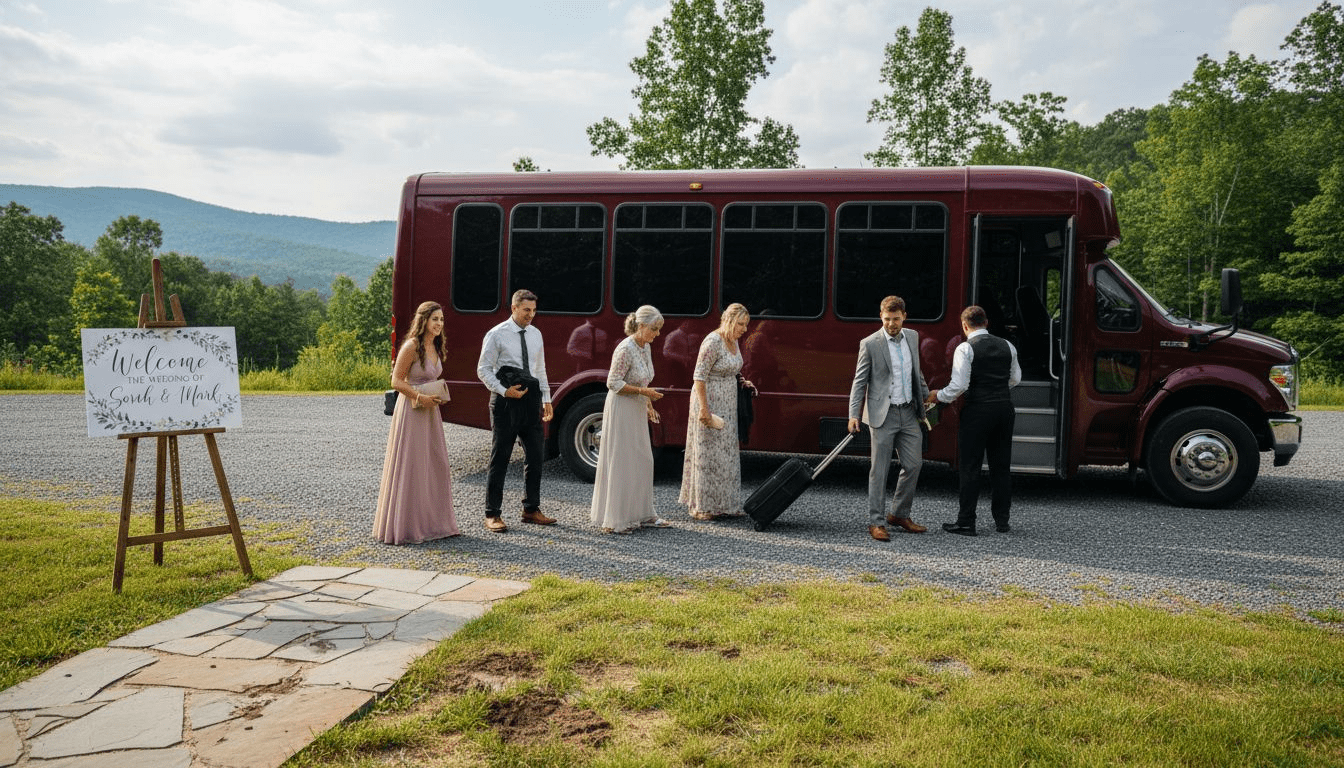
Almost 80 percent of couples hosting destination weddings in American mountain regions need professional shuttle services to guarantee safe guest arrivals. Planning luxury transportation in North Carolina’s High Country means facing rugged terrain, unpredictable weather, and regulations that demand expertise and precision. This guide clarifies the real differences between vehicle choices, booking requirements, and event-day operations so couples can select the most reliable and luxurious transit options for an unforgettable mountain celebration.
Table of Contents
- Mountain Wedding Transit Explained
- Luxury Shuttles, Limos, and Vans Compared
- How Guest Transit Operates on Event Day
- Booking Requirements and Service Inclusions
- Cost Factors and Safety Considerations
- What to Avoid in Mountain Wedding Transit
Key Takeaways
| Point | Details |
|---|---|
| Understanding Terrain Challenges | Mountain wedding transport requires careful planning due to rugged landscapes and variable weather conditions. Couples should assess vehicle capabilities and guest mobility needs. |
| Choose the Right Vehicle | Opt for 4-wheel drive options with experienced drivers familiar with mountain terrain to ensure safety and efficiency for guests. |
| Advance Booking is Crucial | Secure transportation services at least 6 months in advance to guarantee availability, customize routes, and accommodate special requests. |
| Compliance and Safety | Ensure transportation providers meet all regulatory requirements, including permits and driver qualifications, to mitigate risks and enhance guest safety. |
Mountain Wedding Transit Explained
Planning transportation for a mountain wedding involves unique logistical challenges that demand strategic thinking and specialized solutions. Unlike urban celebrations, mountain weddings require careful consideration of terrain, accessibility, and guest comfort across potentially rugged landscapes. Public transit systems in mountain regions often have specific constraints that impact event transportation planning.
Wedding transportation in mountainous areas like North Carolina’s High Country demands understanding several critical factors. Terrain complexity means standard transportation strategies won’t suffice. Narrow winding roads, elevation changes, and potential seasonal weather variations create unique transit challenges. Couples must assess road conditions, vehicle capabilities, and guest mobility requirements when designing their transportation strategy.
Special event permits become crucial in mountain wedding locations. National Park wedding regulations frequently mandate controlled group sizes and specific vehicle limitations. This means transportation isn’t just about moving people from point A to point B, but carefully managing group movement while respecting environmental and regulatory guidelines. Professional transportation services specializing in mountain regions understand these nuanced requirements and can provide tailored shuttle solutions.
Key considerations for mountain wedding transit include vehicle type, route planning, and guest safety. Ideal transportation partners offer:
- 4-wheel drive vehicles with high ground clearance
- Experienced mountain drivers familiar with local terrain
- Flexible routing to accommodate venue locations
- Backup communication systems for remote areas
- Weather-appropriate transportation strategies
Pro tip: Book mountain wedding transportation services at least 6 months in advance to ensure availability and allow time for custom route planning and vehicle selection.
Luxury Shuttles, Limos, and Vans Compared
Choosing the right transportation for a mountain wedding requires understanding the unique characteristics of luxury shuttles, limousines, and passenger vans. Transit data reveals critical differences in group transportation options that can significantly impact wedding guest experiences in challenging terrain. Each vehicle type brings distinct advantages and limitations that couples must carefully evaluate.
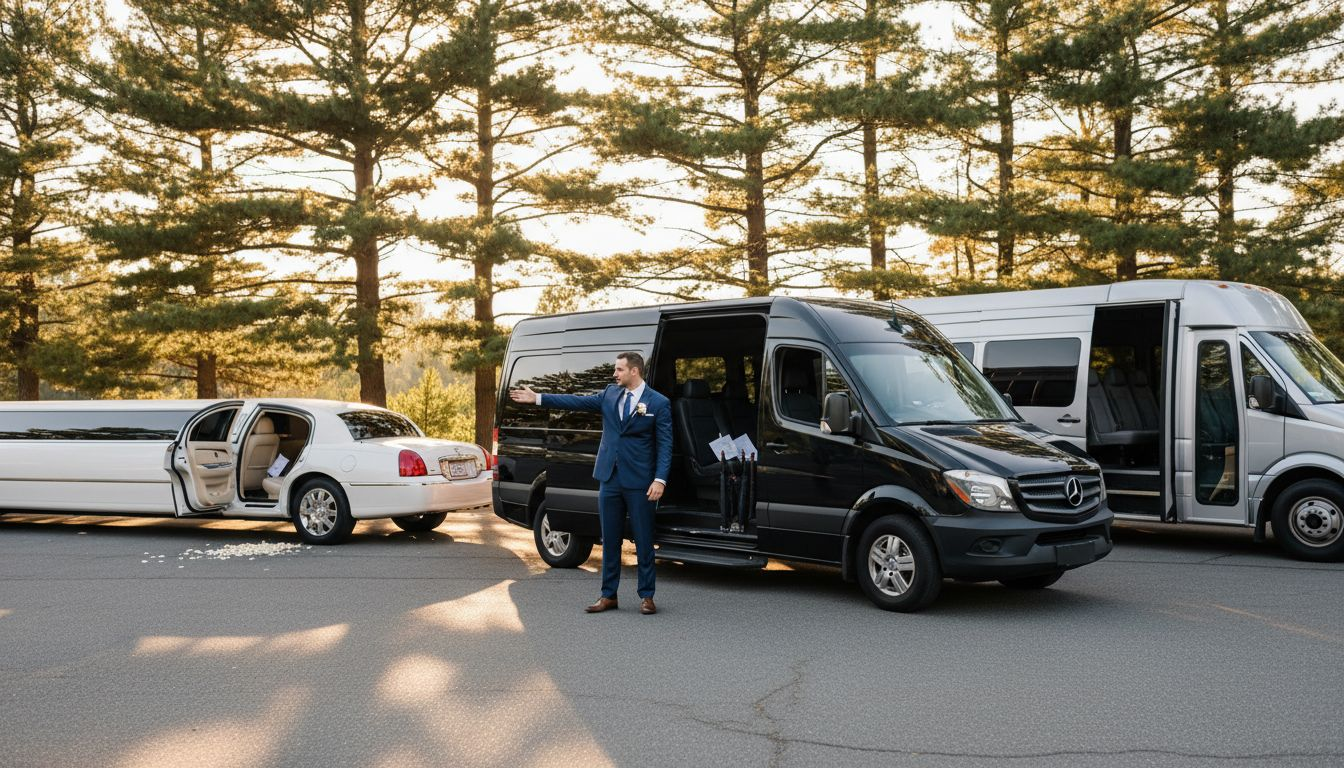
Limousines represent the pinnacle of personal luxury, offering an intimate and sophisticated travel experience for small wedding parties. These elegant vehicles provide maximum comfort with plush seating, premium entertainment systems, and a sense of exclusivity. However, their limited passenger capacity and potential challenges navigating narrow mountain roads can make them less practical for larger wedding groups or venues with complex access routes.
Shuttle buses and passenger vans emerge as more versatile alternatives for mountain wedding transportation. Federal transit research indicates these vehicles offer superior group mobility, safety features, and terrain adaptability. They can accommodate multiple guests simultaneously, feature enhanced suspension systems for rough roads, and provide consistent, reliable transportation across diverse mountain landscapes.
Key comparison points for wedding transportation include:
- Passenger Capacity
- Limousine: 6-10 passengers
- Shuttle Bus: 15-30 passengers
- Passenger Van: 10-15 passengers
- Terrain Suitability
- Limousine: Limited mountain road performance
- Shuttle Bus: Excellent ground clearance
- Passenger Van: Good adaptability
- Luxury Level
- Limousine: Highest personal luxury
- Shuttle Bus: Functional comfort
- Passenger Van: Practical amenities
Pro tip: Consider a hybrid transportation strategy that combines luxury limousines for wedding party transport with practical shuttle services for general guest movement.
How Guest Transit Operates on Event Day
Mountain wedding transportation requires meticulous planning and precise execution to ensure seamless guest movement during the event. National transit guidelines outline comprehensive strategies for managing group transportation in challenging terrain, focusing on reliability and guest experience.
The operational framework for wedding day transit involves a carefully choreographed sequence of vehicle deployments. Typically, transportation services establish multiple pickup and drop-off points strategically located near accommodations, ceremony venues, and reception sites. Shuttle drivers receive detailed route maps and timing instructions, ensuring precise coordination that minimizes guest waiting times and maximizes efficiency.
Park transit regulations mandate strict vehicle management protocols in scenic mountain locations. These guidelines require transportation providers to carefully monitor group sizes, adhere to environmental restrictions, and maintain designated travel corridors. Advanced planning becomes critical, with transportation coordinators developing contingency routes that account for potential weather disruptions, road conditions, and unexpected logistical challenges.
Key event day transit operational components include:
- Advance Guest Registration
- Collect precise guest transportation requirements
- Verify mobility needs and special accommodations
- Scheduled Departure Windows
- Morning shuttle runs: 2-3 hours before ceremony
- Interim shuttles between ceremony and reception
- Evening return transportation schedule
- Communication Protocols
- Real-time driver coordination
- Emergency contact systems
- GPS tracking for all vehicles
Pro tip: Create a detailed transportation timeline with 15-minute buffer windows to accommodate unexpected delays and ensure smooth guest movement throughout the wedding day.
Booking Requirements and Service Inclusions
Planning mountain wedding transportation involves navigating complex federal transit service regulations that govern event transportation logistics. Couples must understand the intricate booking requirements and comprehensive service inclusions that ensure a smooth, safe guest travel experience across challenging mountain terrain.
Booking processes for mountain wedding transit demand thorough documentation and advanced planning. Transportation providers require detailed guest manifests, specific event location information, and comprehensive accessibility requirements. National park wedding transit guidelines mandate strict permitting processes that couples must complete months in advance, including vehicle type approvals, guest count limitations, and environmental impact assessments.
Standard service inclusions for mountain wedding transportation typically encompass a wide range of critical support elements. Professional transportation companies provide comprehensive packages that extend far beyond simple point-to-point travel. These services often include professional driver briefings, real-time route monitoring, emergency communication systems, and specialized mountain driving protocols that address the unique challenges of navigating rugged terrain.
Key booking and service inclusion components include:
Here’s a summary of key factors to evaluate when booking mountain wedding transportation services:
| Evaluation Aspect | Why It Matters | Business Impact |
|---|---|---|
| Vehicle Adaptability | Handles rugged terrain safely | Reduces risk of delays and incidents |
| Driver Expertise | Ensures safe navigation | Increases guest comfort and trust |
| Service Documentation | Meets legal and regulatory standards | Prevents permit or insurance issues |
| Real-Time Coordination | Maintains logistic efficiency | Minimizes guest waiting and confusion |
| Emergency Preparedness | Addresses unexpected events | Ensures consistent guest safety |
- Documentation Requirements
- Detailed guest transportation manifest
- Individual passenger contact information
- Accessibility and mobility need assessments
- Service Coverage
- Professional driver assignments
- Vehicle insurance documentation
- Emergency communication systems
- GPS tracking and route optimization
- Compliance Checks
- Environmental permit verification
- Vehicle safety inspections
- Driver certification validation
Pro tip: Request a comprehensive service contract at least six months before your wedding, ensuring all transportation details are meticulously documented and verified.
Cost Factors and Safety Considerations
Understanding the financial and safety landscape of mountain wedding transportation requires careful analysis of multiple complex variables. National transit data reveals that pricing and safety protocols are intrinsically linked to the challenging terrain and specialized service requirements of mountain regions.
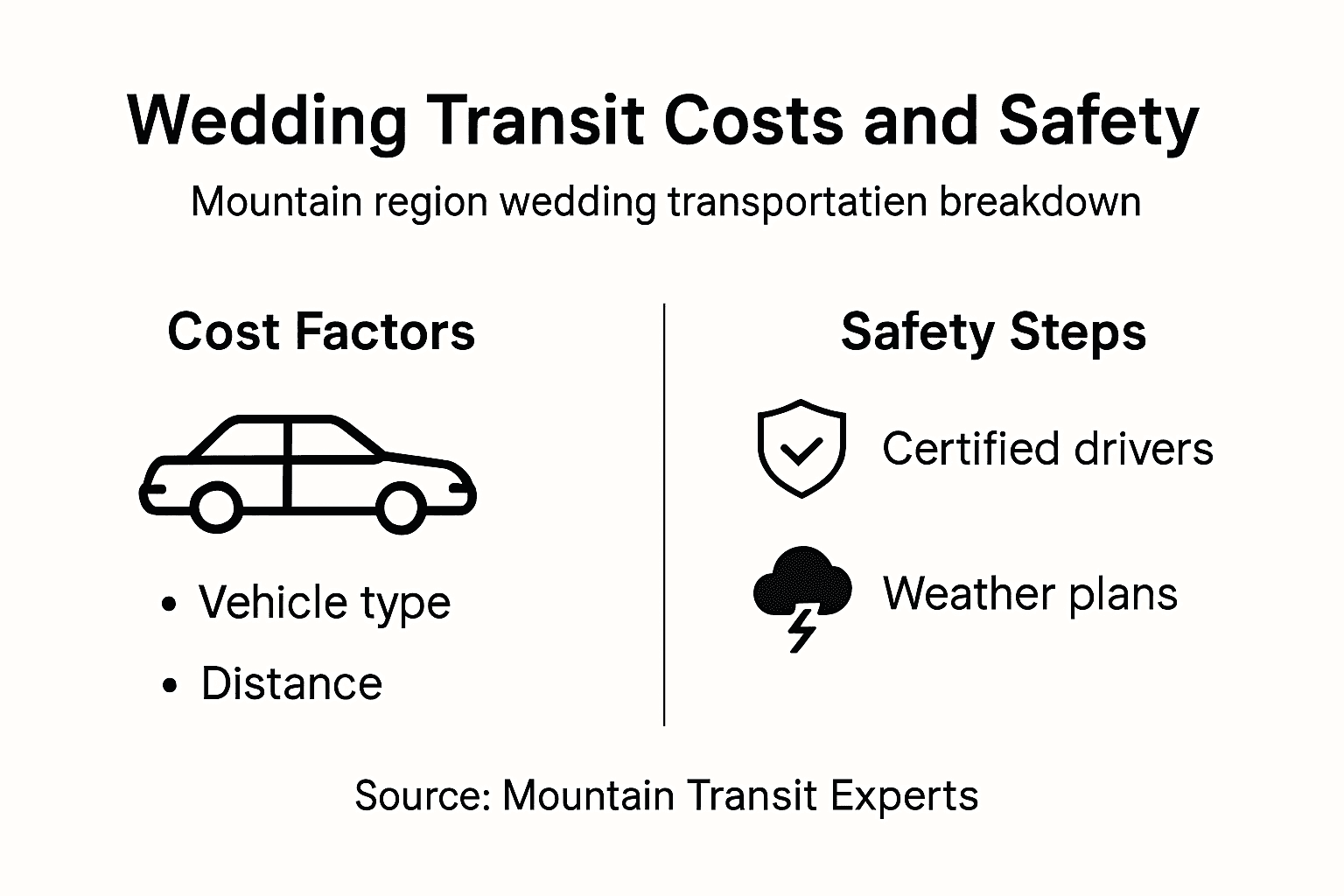
Cost structures for mountain wedding transit are significantly influenced by factors beyond standard transportation expenses. Geographic complexity, seasonal weather variations, and specialized vehicle requirements drive pricing models that reflect the unique challenges of mountain transportation. Professional services must invest in advanced driver training, high-performance vehicles with superior mountain driving capabilities, and comprehensive insurance coverage to ensure guest safety across unpredictable mountain landscapes.
Public transit safety standards mandate rigorous protocols that directly impact service pricing. These standards require transportation providers to maintain extensive safety infrastructures, including advanced vehicle maintenance programs, real-time communication systems, and specialized driver certifications for navigating challenging mountain terrain. The higher costs associated with these safety measures reflect a commitment to guest protection and reliable transportation.
Key cost and safety considerations include:
- Pricing Variables
- Vehicle type and terrain complexity
- Distance and route difficulty
- Seasonal weather impact
- Driver specialization level
- Safety Investment Components
- Advanced driver mountain training
- Vehicle safety feature upgrades
- Emergency communication systems
- Comprehensive insurance coverage
- Risk Mitigation Factors
- Terrain-specific route planning
- Vehicle maintenance protocols
- Weather contingency strategies
- Guest safety monitoring systems
Pro tip: Request a detailed breakdown of safety investments and ask transportation providers to explain how their pricing reflects enhanced mountain driving capabilities and guest protection strategies.
What to Avoid in Mountain Wedding Transit
Navigating mountain wedding transportation requires strategic planning to prevent common pitfalls that can compromise guest safety and event logistics. National transit guidelines highlight critical areas where couples must exercise caution to ensure smooth, reliable transportation across challenging terrain.
Avoid working with transportation providers who lack specialized mountain driving certifications or comprehensive insurance coverage. Inexperienced drivers unfamiliar with steep grades, narrow switchbacks, and rapidly changing mountain weather conditions can create significant safety risks. Park wedding transit regulations mandate strict vehicle and driver qualification standards that protect both guests and the delicate mountain environment.
Critical transportation mistakes can derail even the most carefully planned mountain wedding. Couples should be particularly vigilant about potential logistical failures that might disrupt their carefully orchestrated event. Overlooking key details like vehicle capacity, route complexity, and communication systems can lead to significant guest transportation challenges that create unnecessary stress during an otherwise joyful celebration.
Key transportation pitfalls to avoid include:
This table highlights common mistakes and their possible consequences for mountain wedding transit planning:
| Mistake | Immediate Effect | Long-Term Risk |
|---|---|---|
| Choosing unqualified driver | Increased accident risk | Potential legal liability |
| Ignoring weather planning | Road closures and delays | Damaged reputation with guests |
| Overlooking communication | Missed guest pickups | Negative event experience |
| Skipping permit compliance | Event disruption | Fines or cancellation |
- Provider Selection Errors
- Unlicensed transportation services
- Providers without mountain driving expertise
- Inadequate insurance coverage
- Logistical Miscalculations
- Insufficient vehicle capacity
- Poor route planning
- Lack of weather contingency plans
- Inadequate communication systems
- Compliance Risks
- Exceeding permitted vehicle limits
- Ignoring environmental restrictions
- Failing to obtain necessary permits
Pro tip: Request comprehensive documentation of a transportation provider’s mountain driving credentials, insurance coverage, and safety protocols before making a final booking decision.
Experience Stress-Free Mountain Wedding Transportation with Ashe County Livery
Planning seamless guest transit in the rugged terrain of North Carolina’s High Country can be challenging. The article highlights critical concerns such as specialized vehicle needs, expert mountain driving, thorough route planning, and strict compliance with environmental and safety regulations. These essential factors can quickly become overwhelming, risking delays and guest discomfort during your special day. Your goal is to ensure reliable, safe, and luxurious transportation that respects the unique demands of mountain wedding venues while keeping your guests comfortable and on time.
At Ashe County Livery, we understand these complexities and offer tailored solutions with our fleet of high-end Mercedes vehicles and professional chauffeurs experienced in mountain driving. From precise scheduling to real-time communication and backup planning, our family-owned service prioritizes your peace of mind and elevates guest experiences. Whether you need luxury shuttles, limousines, or coordinated group transport, our expertise guarantees that every detail supports smooth logistics and unforgettable moments.
Take the stress out of mountain wedding transit.
Start planning your flawless wedding day transportation today by visiting Ashe County Livery. Explore our luxury transportation services designed for the High Country’s unique terrain and ask about our expert mountain event transit options. Don’t wait until the last minute booking early ensures personalized route planning and superior safety for your mountain celebration.
Frequently Asked Questions
What are the key considerations for planning transportation for a mountain wedding?
When planning transportation for a mountain wedding, it’s crucial to consider terrain complexity, vehicle capabilities, road conditions, and guest mobility requirements. Additionally, ensuring that transportation services understand local regulations and environmental guidelines is essential.
How do I choose the right type of vehicle for my mountain wedding guests?
Choosing the right vehicle depends on passenger capacity, the terrain’s suitability, and the level of luxury desired. Limousines offer a luxurious experience for small groups, while shuttles and passenger vans are more versatile for larger groups and can handle rugged mountain roads better.
What should I include in my transportation timeline for the wedding day?
Your transportation timeline should include scheduled departure windows for guest pickups, interim shuttles between the ceremony and reception, and evening return schedules. It’s advisable to add buffer time to accommodate unexpected delays.
Why is it important to book mountain wedding transportation in advance?
Booking transportation at least six months in advance ensures availability and allows time for customized route planning and vehicle selection. It also helps meet necessary permits and regulations specific to mountain wedding logistics.
Recommended
- 7 Smart Wedding Guest Shuttle Options to Know Now – Ashe County Livery blog
- Wedding Airport Shuttles: Ensuring Timely Transfers – Ashe County Livery blog
- Airport Transfer for Bridal Parties: Complete Guide – Ashe County Livery blog
- Airport Transfer Guide 2025: Stress-Free NC High Country Trips – Ashe County Livery blog
- 7 Expert Tips for Effortless Destination Weddings Abroad – Winelands Function – For Every Occasion, Your Celebration

Leave a Reply