
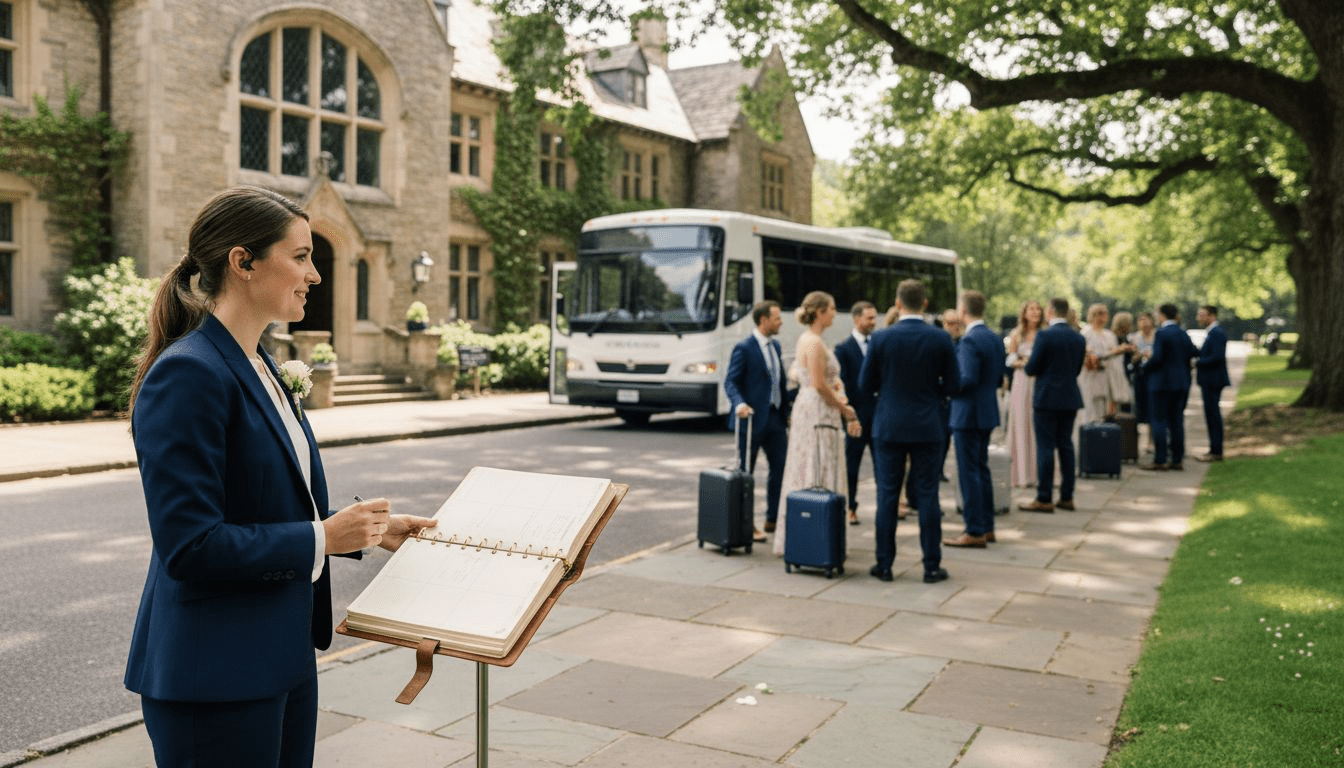
Securing safe, timely travel for your wedding guests in North Carolina’s High Country starts long before anyone boards a shuttle or steps into a limousine. With mountain venues, unpredictable weather, and diverse guest needs, transportation planning becomes as vital as your seating chart. Focusing on accessibility assessments for venue locations helps ensure everyone can celebrate with you, whether they are arriving from a distant airport or need extra mobility support.
Table of Contents
- Step 1: Assess Venue Locations And Guest Needs
- Step 2: Select Transport Options And Book Services
- Step 3: Coordinate Schedules With Vendors And Chauffeurs
- Step 4: Communicate Details To Guests And Bridal Party
- Step 5: Verify Logistics On Event Day
Quick Summary
| Key Point | Explanation |
|---|---|
| 1. Assess Guest Needs Early | Map guest locations and mobility needs to tailor transportation options effectively for everyone. |
| 2. Evaluate Venue Accessibility | Check the venue’s access roads and conditions to ensure guests arrive smoothly and safely. |
| 3. Book Transportation in Advance | Secure transportation services at least two months ahead to confirm availability and specifics. |
| 4. Coordinate with Vendors | Ensure all vendors are aligned on transportation schedules to prevent delays. |
| 5. Verify on Wedding Day | Confirm vehicle readiness and communicate with drivers to handle any unexpected issues. |
Step 1: Assess venue locations and guest needs
Before you finalize any transportation arrangements for your wedding, you need to understand exactly where your guests are coming from and what the venue location demands. This step determines the scope of your entire transport strategy. Are guests flying into a regional airport two hours away? Is your reception in a remote mountain venue accessible only by winding roads? Are some guests traveling with mobility challenges? The answers shape everything that comes next.
Start by mapping your guest list geographically. You’ll want to know how many people are arriving from out of state, how many are local, and where the bulk of your guests originate. Contact your hotel partners and ask about guest room bookings by location. Look at your RSVPs and note any special transportation requests. This isn’t just curiosity. These patterns tell you whether you need shuttle services from a central hotel, airport transfers for multiple flights, or targeted pickups from specific locations. Next, assess your venue’s actual accessibility. Drive the route yourself at the time of day guests will be traveling. Note road conditions, parking capacity, and whether the address is easily found by GPS. Some venues in North Carolina’s High Country sit on properties where cell service drops off or roads narrow significantly. Visit during similar weather conditions to your wedding date if possible. Check whether the venue can accommodate multiple vehicles arriving simultaneously or if there’s a bottleneck at the entrance. If your venue is genuinely remote, this factors into whether you need professional transportation services with experienced drivers who know mountain roads.
Consider the full spectrum of guest mobility needs. Beyond standard transportation, you’re planning for elderly relatives, guests with disabilities, parents traveling with small children, and anyone with mobility limitations. Accessibility assessments for venue locations ensure all guests can actually reach your celebration without stress or struggle. Ask guests directly during RSVPs if they need assistance. Will wheelchairs fit through doorways? Are accessible parking spots available? Can transportation vehicles accommodate walkers or mobility devices? Your answers here directly impact which transportation providers you hire. Professional services like those offered through luxury fleet operators understand these requirements and can plan accordingly.
Pro tip: Create a simple spreadsheet tracking guest arrival locations, any mobility needs, and preferred transportation times. Share this with your transportation coordinator at least six weeks before the wedding so they can optimize routes and assign appropriate vehicles to specific groups.
Step 2: Select transport options and book services
Now that you understand your guests’ locations and venue accessibility needs, you can make informed decisions about which transportation options actually work for your wedding. This step involves evaluating different service types, comparing providers, and securing commitments well in advance. Your goal is matching the right transportation solution to each guest group’s needs while maintaining budget and quality standards.

Begin by identifying what types of transportation you need. Will you require airport pickups for out of town guests, shuttle services between your hotel and venue, or perhaps transportation for your wedding party to get ready locations? Some couples need all three. Once you’ve identified your transportation categories, research local providers who specialize in wedding events and understand North Carolina’s mountain roads. Look for operators with professional chauffeurs, reliable vehicle fleets, and proven experience handling group logistics. Many providers offer step by step guidance on selecting shuttle services that walks through evaluating options based on your specific needs. When comparing services, request detailed quotes that include vehicle types, driver professionalism, timing flexibility, and backup plans for weather emergencies. Ask about their experience with mountain venues specifically. Can they navigate narrow roads safely? Do they know alternate routes if weather impacts primary roads? Request references from recent weddings in your area.
After selecting your preferred providers, book services immediately, especially for peak wedding season. Confirm all details in writing, including pickup times, passenger counts, vehicle specifications, and any special accommodation needs you identified in Step 1. Effective transport logistics management relies on clear communication and documented agreements between all parties. Provide your transportation coordinator with a master timeline showing all pickups and dropoffs. Include contact numbers for all drivers and a detailed passenger manifest. Ask your provider about their tracking system so you can monitor vehicle locations on your wedding day. Finally, build in buffer time. If guests need to arrive at the venue by 4 PM, schedule pickups to arrive 30 minutes earlier. Mountain weather can shift quickly, and traffic unpredictability requires planning cushion. Confirm all bookings two weeks before your wedding through a final walkthrough with your coordinator.
Pro tip: Book your transportation services at least two months in advance and request written confirmation of all vehicle assignments, driver names, and timing details so there’s no confusion on your wedding day.
Here is a comparison of common wedding transportation options and their unique benefits:
| Transportation Type | Best For | Key Advantage |
|---|---|---|
| Shuttle Buses | Large groups, hotel pickups | Efficient bulk transportation |
| Private Cars/Limos | Wedding party or VIPs | Comfort and luxury |
| Vans/Sprinters | Small family groups | Flexible passenger seating |
| Accessible Vehicles | Guests with mobility needs | Wheelchair and walker access |
| Motorcoach Buses | Out-of-town guest transfers | Long-distance capacity |
Step 3: Coordinate schedules with vendors and chauffeurs
Your transportation services only work smoothly when every person involved operates from the same timeline and understands their role. This step ensures your chauffeurs, wedding vendors, and venue staff all know exactly when vehicles arrive, where guests need to go, and what happens if schedules shift. Coordination prevents the chaos of drivers sitting idle while the bride is running late or guests waiting outside in bad weather with no ride.
Start by creating a master wedding day timeline that includes every transportation event. When does the first guest shuttle depart from the hotel? When do you need the bridal party vehicle at the getting ready location? What time must guests arrive at the ceremony venue? Work backward from your ceremony start time to determine precise pickup schedules. Share this timeline with all transportation providers at least three weeks before your wedding. Use digital schedule communication systems that allow carriers to track and update schedules in real time, reducing confusion about timing and passenger movements. Most professional transportation services now utilize digital coordination tools that keep everyone informed. Next, create a detailed driver assignment sheet showing which chauffeur handles each leg of the journey. Include passenger manifests for each vehicle so drivers know who they’re picking up and where those guests need to go. Meet individually with your lead chauffeur or transportation coordinator to walk through the entire day. Discuss potential bottlenecks like the ceremony end time when everyone leaves simultaneously or photo session timing that might delay the reception start. Talk through contingency plans for weather delays on mountain roads. Ask how they’ll communicate if they’re running behind schedule.
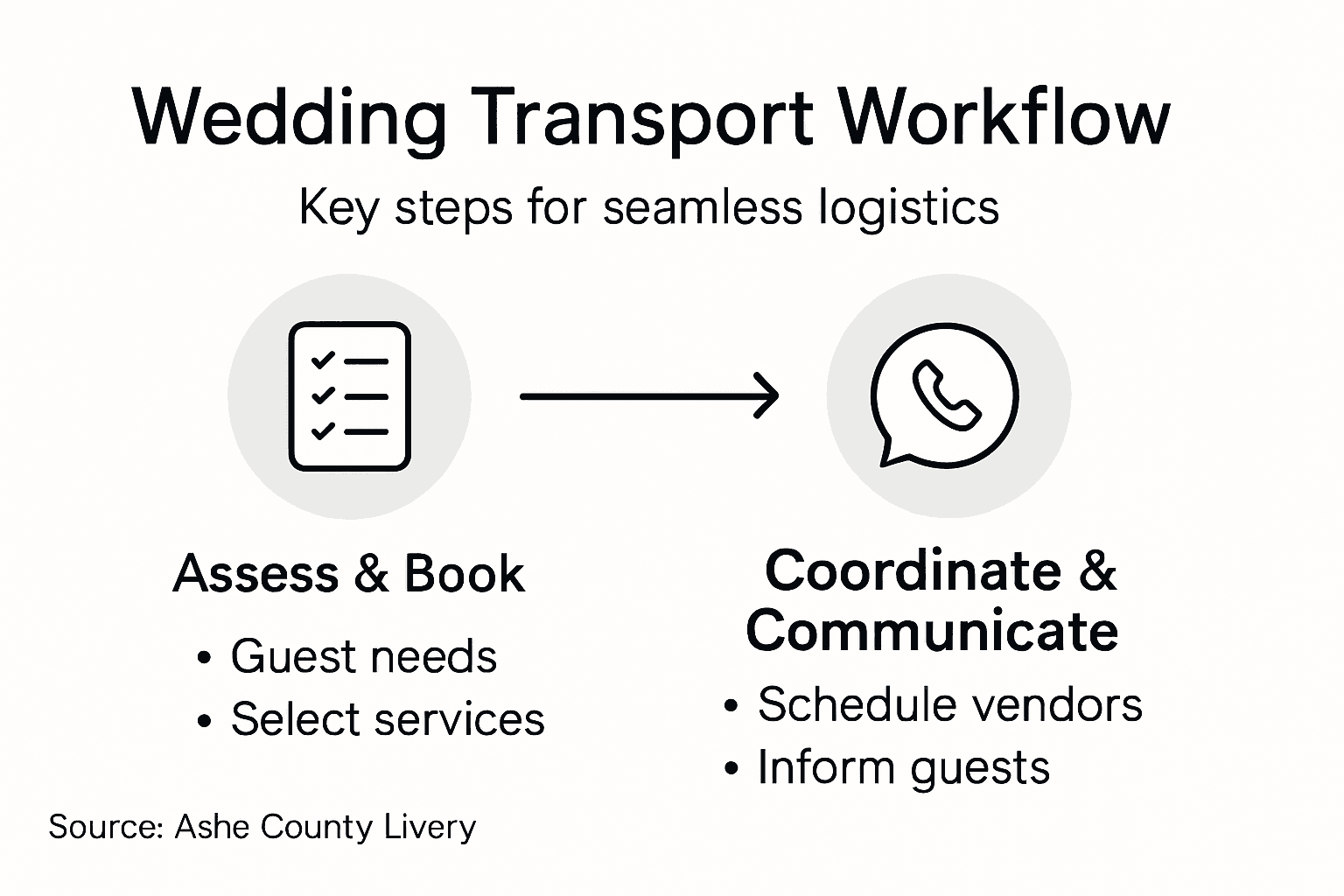
Coordinate with your other vendors too. Your photographer needs to know when the bridal party vehicle arrives. Your caterer needs to know when guests will actually be sitting down to dinner, not the theoretical time you planned six months ago. Your venue coordinator needs to understand guest arrival patterns so they can direct traffic properly. Build in 15 minute communication windows before each major transportation event where your coordinator confirms everyone is on schedule via phone or text. When you’re managing multiple vehicles transporting dozens of guests across mountain terrain, clear communication prevents stress and keeps your wedding day moving forward smoothly.
Pro tip: Create a simple group text or WhatsApp with your transportation coordinator, key vendors, and wedding party so everyone receives real time updates if timing shifts, keeping everyone aligned without constant individual calls.
Step 4: Communicate details to guests and bridal party
Your transportation logistics only work if people actually know what to do and where to go. This step involves crafting clear, detailed communication that reaches everyone involved before wedding day arrives. Your goal is ensuring guests and bridal party members understand pickup times, vehicle assignments, meeting locations, and what to do if something changes. Vague communication creates missed rides, confused guests standing in the wrong place, and unnecessary stress on your wedding day.
Start by creating a transportation information packet that covers all the essential details. Include pickup times broken down by guest location or hotel, specific addresses where vehicles will collect passengers, what time they should be ready, and how they’ll recognize their assigned vehicle and driver. Explain any special procedures like waiting in the lobby versus outside or checking in at the front desk. For your bridal party, provide even more detailed information about getting ready location logistics, timing for hair and makeup, vehicle departure times from that location, and what happens if they’re running behind schedule. Send this information via email and follow up with a printed card in your wedding invitations. Use wedding logistics communication resources that help explain standard practices so guests know what to expect.
Next, designate a single point of contact for transportation questions. Whether that’s you, a family member, or your wedding coordinator, having one person answer questions prevents conflicting information. Two weeks before your wedding, send a reminder email with all transportation details again. Include driver names and photos if possible so guests recognize who’s picking them up. Provide a direct phone number guests can call if they have last minute questions or run late. For your bridal party specifically, have a brief phone or video call to walk through the day’s transportation plan. Discuss what to wear that won’t wrinkle too badly in vehicles and confirm everyone understands the timing. Clear, ongoing communication with documented details for guests and vendors prevents confusion and keeps your wedding moving smoothly.
Pro tip: Create a simple one page transportation guide with maps, pickup times, and driver contact information that guests can easily screenshot and reference instead of hunting through email chains on your wedding day.
Step 5: Verify logistics on event day
All your planning comes down to this. Wedding day verification means confirming that every transportation piece actually functions as planned, not just hoping it will. This step involves checking vehicle readiness, confirming driver arrival times, verifying guest pickups are happening on schedule, and staying ready to solve problems that pop up. Your role shifts from planner to active coordinator who keeps everything moving smoothly.
Start your verification process hours before the first guest pickup. Contact your transportation coordinator or lead driver early in the morning to confirm all vehicles are fueled, clean, and ready. Ask them to send photos of the vehicles to show condition and verify everything looks professional for your guests. Confirm that all drivers have their assignments, know their routes, and have working phone numbers for every passenger pickup location. Request that your coordinator do a quick check on weather and road conditions, especially important in the North Carolina High Country where conditions can change rapidly. Ask about any traffic delays or accidents that might impact timing. Review your master transportation timeline one more time and share it with your coordinator. Ask them to confirm they have contact information for every guest location, the venue, and all your vendors. Following event safety standards and verification protocols ensures you catch potential problems before they become real issues.
Once pickups begin, stay in communication with your transportation coordinator via phone or text. Ask for updates at key points throughout the day. Has the first shuttle left the hotel? Are passengers settled and comfortable? Is the bridal party vehicle on schedule? When problems occur, they usually show up as small delays that cascade into bigger issues if not addressed. If a guest is running 15 minutes late, your coordinator needs to know so they can adjust timing with the driver. If road conditions are worse than expected, communication allows you to shift your ceremony start time slightly if needed. Keep your ceremony venue coordinator informed of actual guest arrival times so they can manage seating and logistics. Use real time transport logistics verification checklists to track that each transportation segment completes successfully. At the end of the night, have a quick debrief with your transportation coordinator to understand what worked well and what caused stress. This information becomes invaluable if you need transportation services again.
Pro tip: Assign one trusted person as your transportation point of contact on wedding day and keep them in constant communication with drivers, checking in every 15 minutes during peak transportation periods so small issues get resolved before they become disasters.
Below is a summary timeline of essential wedding transport logistics checks on the event day:
| Time Before Event | Activity | Responsible Person |
|---|---|---|
| 4-5 hours | Confirm vehicle readiness | Transportation coordinator |
| 2-3 hours | Verify driver assignments | Coordinator/lead driver |
| 1-2 hours | Review weather and traffic | Coordinator |
| During pickups | Monitor guest arrivals | Assigned point of contact |
| Post-event | Debrief and feedback | Coordinator and team |
Ensure Flawless Wedding Transportation with Professional Expertise
Planning wedding transport logistics involves managing guest locations, accessibility needs, tight schedules, and last-minute adjustments. The challenges are real when coordinating multiple vehicles through North Carolina’s mountain roads while keeping your special day stress-free. Key pain points such as detailed route assessment, precise scheduling, and clear guest communication require trusted partners who understand these complexities.
Ashe County Livery offers premium, personalized transportation solutions designed specifically for events like yours. With a fleet of luxury Mercedes vehicles and professional chauffeurs experienced in the High Country’s unique terrain, we take the worry out of shuttle and private car planning. From airport transfers to accessible vehicles for guests with mobility needs, our reliable service ensures every part of your wedding transport runs smoothly.
Experience the confidence that comes with expert transport coordination supporting your wedding day timeline and guest comfort. Ready to elevate your event’s transportation?
Explore how Ashe County Livery can simplify your wedding transport logistics by visiting our website. Don’t wait until the last minute to secure your luxury transportation—contact us now to discuss your personalized itinerary and guarantee flawless service on your unforgettable day. For detailed options, see our luxury transport services and find all the answers you need in one place.
Frequently Asked Questions
How do I assess my guests’ transportation needs for my wedding?
To assess your guests’ transportation needs, start by mapping their geographic locations and identifying any special mobility requirements. Create a spreadsheet tracking each guest’s arrival details and any specific needs, then share it with your transportation coordinator at least six weeks before the wedding.
What types of transportation options should I consider for my wedding?
Consider transportation options such as shuttle buses for large groups, private cars or limousines for the wedding party, and accessible vehicles for guests with mobility needs. Research local providers and compare their offerings to find the best fit for your transportation categories.
How can I coordinate schedules with my wedding vendors and chauffeurs?
To coordinate schedules, create a master wedding day timeline detailing every transportation event, such as guest pickups and bridal party departures. Share this timeline with all transportation providers and vendors three weeks before the wedding to ensure everyone is informed and aligned.
What specific information should I communicate to my guests about transportation?
Communicate clear details about pickup times, vehicle assignments, and meeting locations in a transportation information packet. Send this information via email and as a printed card in your wedding invitations to ensure guests are well-informed before the event.
How do I verify transportation logistics on the event day?
To verify logistics, contact your transportation coordinator early on the event day to confirm vehicle readiness and driver assignments. Stay in communication with them throughout the day to monitor guest pickups and address any issues that arise promptly, ensuring a smooth flow of transportation.
What should I do if transportation schedules shift on the wedding day?
If transportation schedules shift, communicate quickly with your transportation coordinator and relevant vendors. Build in 15-minute communication windows to confirm timing, so they can make adjustments to stay on track and minimize delays for your guests.
Recommended
- 7 Smart Wedding Guest Shuttle Options to Know Now – Ashe County Livery blog
- Airport Transfer for Bridal Parties: Complete Guide – Ashe County Livery blog
- 7 Practical Examples of Event Shuttle Services Explained – Ashe County Livery blog
- Wedding Airport Shuttles: Ensuring Timely Transfers – Ashe County Livery blog

Leave a Reply