Most American couples discover that wedding transport has its own set of rules and lingo long before the big day arrives. Logistics and style come together in ways that directly impact comfort and timing for everyone involved. With over 80 percent of weddings facing transport hiccups due to misunderstandings about vehicle types or booking terms, knowing the right terminology gives couples an essential edge for ensuring smooth celebration journeys from start to finish.
Table of Contents
- Defining Wedding Transport Terminology
- Different Vehicle Types For Weddings
- Key Service Models And Booking Terms
- Understanding Pricing And Payment Options
- Legal Considerations And Common Mistakes
Key Takeaways
| Point | Details |
|---|---|
| Understanding Wedding Transport Options | Couples should consider various vehicle types, including luxury sedans and shuttles, to fit their wedding theme and guest needs. |
| Service Models Available | Various booking models such as hourly rates and flat rate services allow flexibility in planning and cost management. |
| Pricing Considerations | Anticipate spending between $500 to $2,500, with factors like vehicle type and seasonal demand influencing overall costs. |
| Legal Aspects to Review | Ensure providers have proper licensing and insurance, and request clear contracts to avoid common pitfalls. |
Defining Wedding Transport Terminology
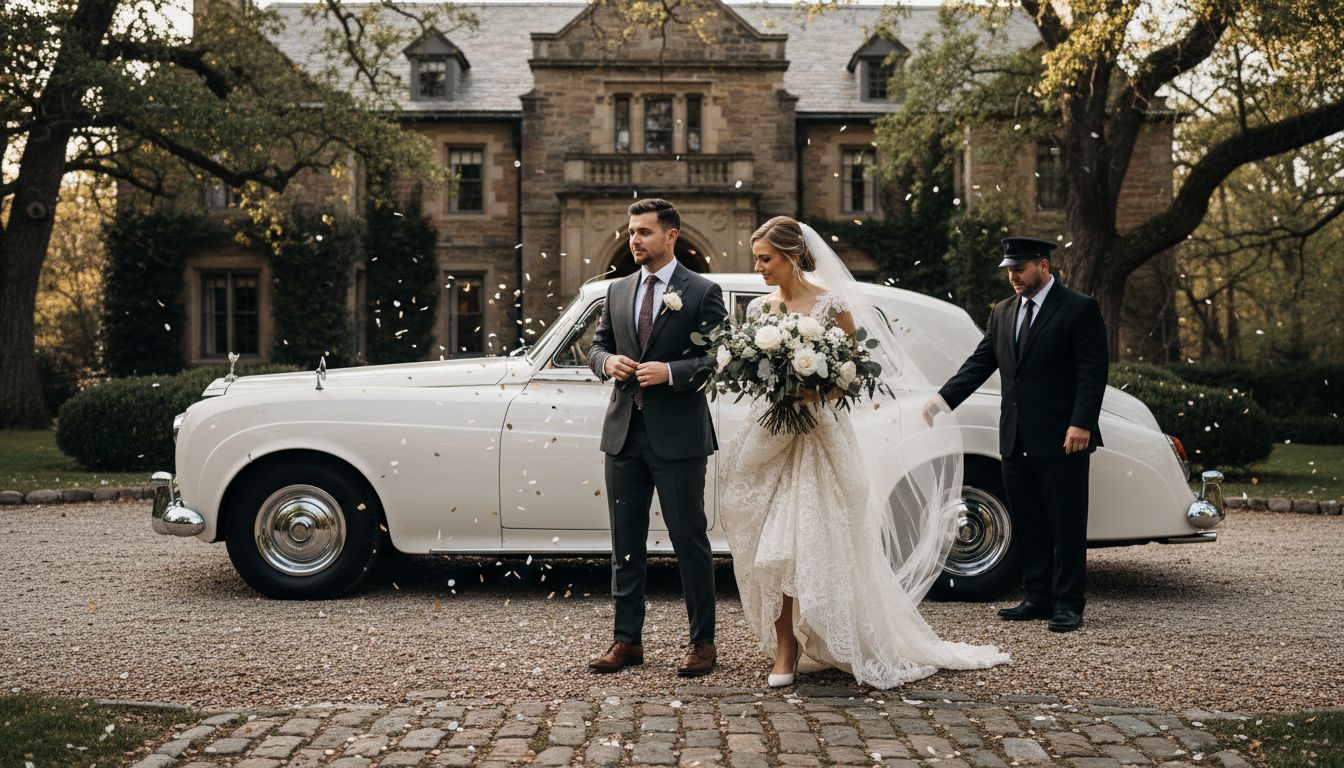
Wedding transportation involves far more than simply moving people from point A to point B. It’s a critical component of wedding planning that ensures smooth logistics, style, and guest comfort. Wedding transportation options range from classic vintage vehicles to modern luxury shuttles, each serving a unique purpose in the wedding day experience.
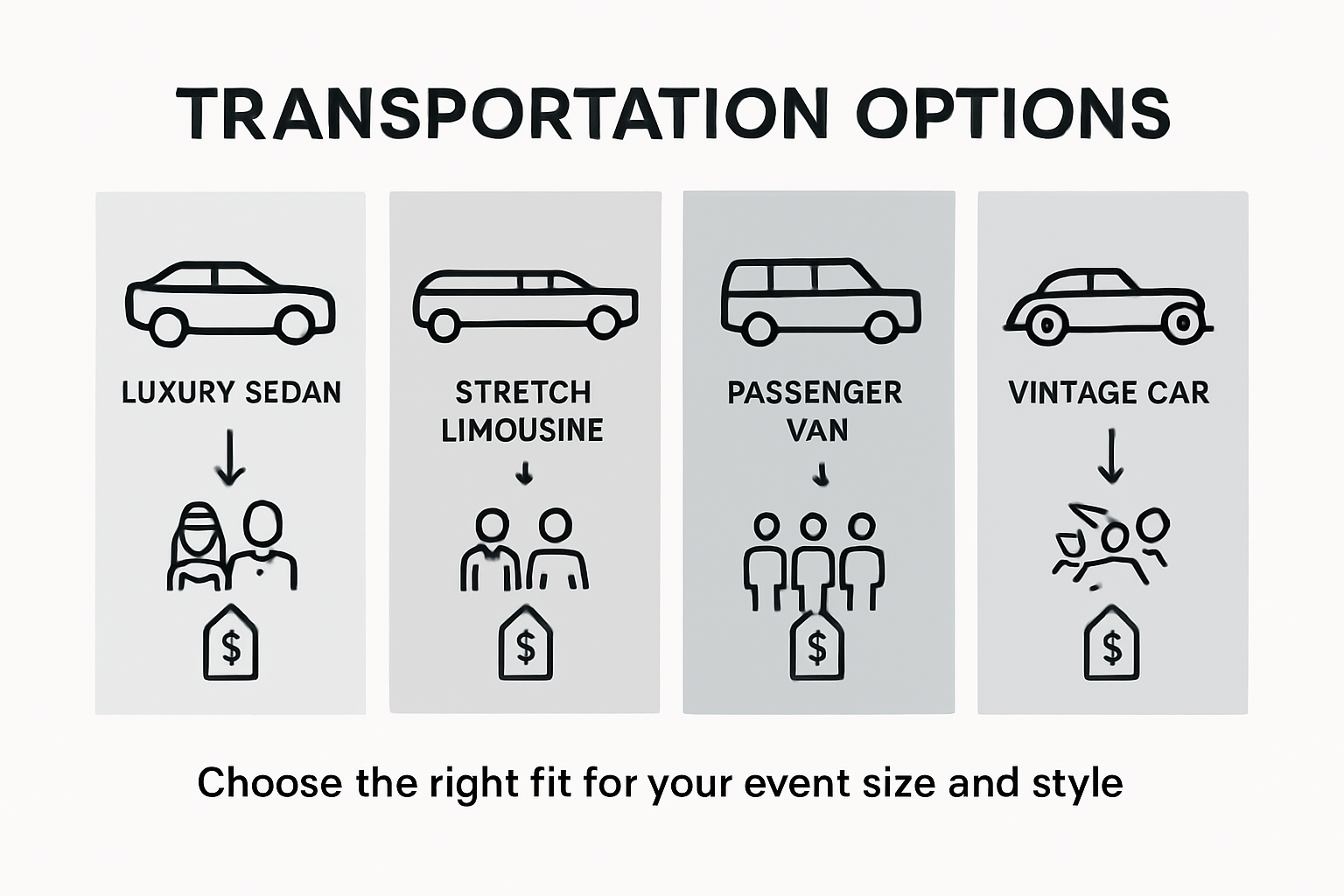
Understanding the core terminology helps couples make informed decisions about their wedding day movement strategy. Wedding Transport Fleet typically includes specialized vehicles designed for wedding parties, such as luxury sedans, stretch limousines, vintage cars, shuttle buses, and passenger vans. These vehicles are selected not just for transportation, but to complement the wedding’s aesthetic and accommodate different group sizes and preferences.
Key wedding transport terminology includes several important classifications. Bridal Party Transport refers to vehicles specifically dedicated to moving the wedding party (bride, groom, bridesmaids, groomsmen) between ceremony and reception locations. Guest Shuttles are larger vehicles arranged to transport wedding guests, especially when venues are distant or parking is limited. Shuttle Routes describe the predetermined paths these vehicles will take, ensuring efficient and organized guest movement. Some couples also arrange Airport Transfers for out-of-town wedding guests, providing convenient transportation from arrival points to hotels or wedding venues.
The ultimate goal of wedding transportation is creating a seamless, stress-free experience. Professional wedding transport services coordinate precise timing, multiple vehicle types, and specialized routes to ensure every wedding participant arrives comfortably and on schedule. Understanding these nuanced transportation options allows couples to design a comprehensive travel plan that enhances their wedding day’s overall elegance and efficiency.
Different Vehicle Types for Weddings
Wedding transportation involves selecting the perfect vehicle to match the event’s style, guest needs, and logistical requirements. Wedding transportation options range from elegant vintage cars to spacious passenger vehicles, each serving a unique purpose in creating a memorable wedding day experience.
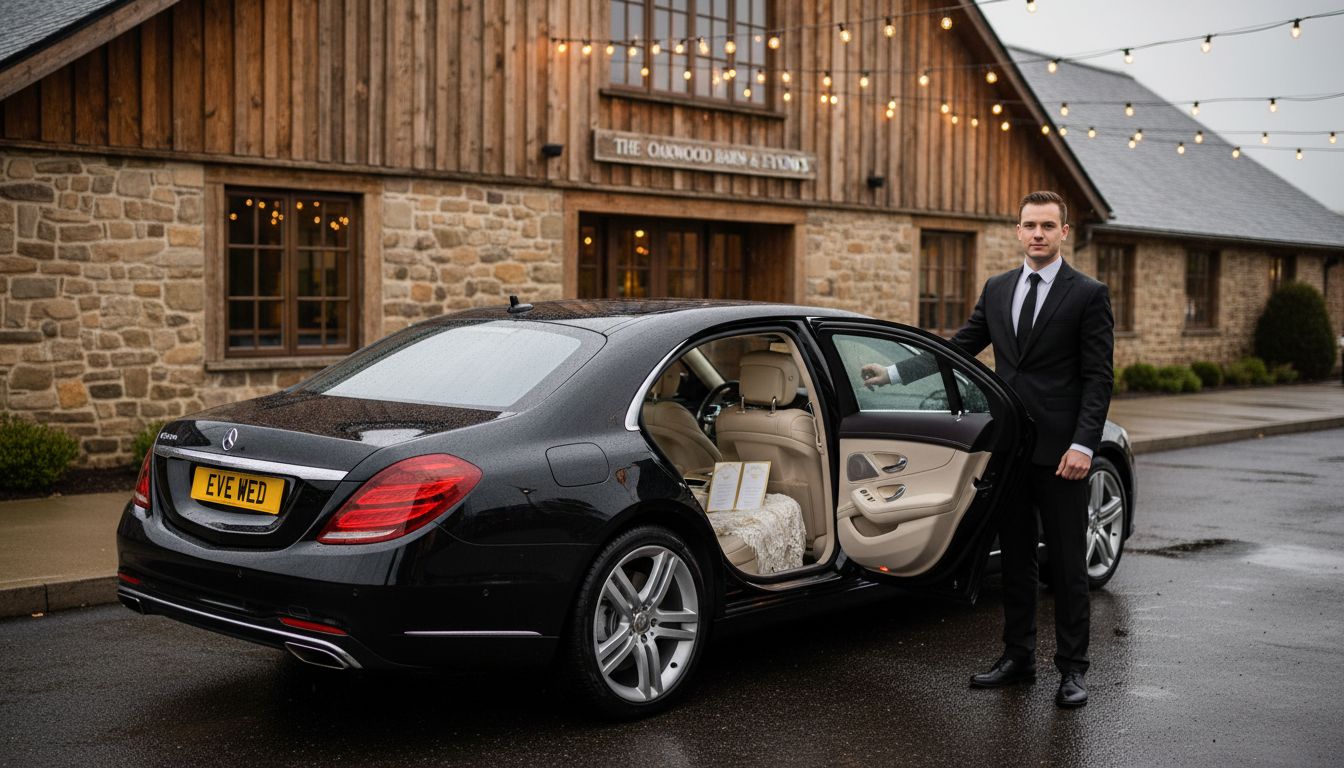
Luxury Sedans represent the pinnacle of sophisticated wedding transportation, typically used for bride and groom transport. These high-end vehicles like Mercedes-Benz S-Class or BMW 7 Series provide ultimate comfort and photogenic elegance. Stretch Limousines remain a classic choice, accommodating larger wedding parties with room for bridesmaids, groomsmen, and immediate family members. These extended vehicles create dramatic entrances and offer ample space for pre-ceremony celebrations.
For larger wedding groups, Passenger Vans and Mini-Buses become essential. These vehicles efficiently transport wedding guests between venues, particularly for destination weddings or events with complex transportation needs. Motor Coaches can handle significant guest volumes, ideal for weddings with extensive out-of-town guest lists or multiple pickup locations. Wedding transportation planning requires careful consideration of group size, venue locations, and overall event logistics.
Specialty vehicles add unique character to wedding transportation. Vintage Cars like classic Rolls-Royce or restored convertibles create stunning photo opportunities and nostalgic memories. Luxury SUVs offer versatility for wedding parties needing spacious, comfortable transport with a modern aesthetic. Some couples even select themed vehicles matching their wedding style – from rustic ranch trucks to sleek modern sports cars – ensuring their transportation reflects their personal wedding vision.
Key Service Models and Booking Terms
Wedding transportation services offer diverse booking models designed to accommodate various wedding planning needs and budgets. Wedding transportation logistics require careful planning, with service providers typically offering multiple engagement options to ensure seamless event coordination.
Hourly Rate Packages represent the most flexible booking model, allowing couples to reserve vehicles for specific time windows. These packages typically range from 3 to 8 hours, with rates varying based on vehicle type, season, and peak wedding times. Flat Rate Services provide a fixed price for predetermined routes and transportation needs, offering predictable pricing for couples with clearly defined transportation requirements. Some advanced services also offer Comprehensive Wedding Transport Bundles that include multiple vehicles, driver coordination, and additional logistics support.
Critical booking terms couples should understand include Minimum Booking Duration, which establishes the shortest time a vehicle can be reserved. Wedding transportation planning often involves additional considerations like Overtime Rates, which apply when transportation extends beyond the initially contracted time. Professional services typically require a Deposit (usually 20-50% of total service cost) to secure vehicles, with the remaining balance due closer to the wedding date.
Specialized wedding transport services may offer unique booking options such as Multi-Vehicle Discounts, Extended Region Coverage, and Customized Route Planning. Couples should carefully review contract terms, including cancellation policies, backup vehicle provisions, and insurance coverage. Some premium services provide Dedicated Wedding Coordinators who manage transportation logistics, ensuring smooth execution from initial booking through final guest drop-off, transforming complex transportation challenges into a seamless wedding day experience.
Understanding Pricing and Payment Options
Wedding transportation pricing can be complex, with multiple factors influencing the overall cost of service. Wedding transportation costs vary significantly based on vehicle type, rental duration, amenities, and seasonal demand. Couples should anticipate spending between $500 to $2,500 for comprehensive wedding transportation services, depending on their specific requirements and local market rates.
Pricing Structures typically fall into three primary categories. Hourly Rates remain the most common, with luxury vehicles ranging from $125 to $250 per hour. Flat Rate Packages offer fixed pricing for specific routes or total event coverage, providing more predictable budgeting for couples. Comprehensive Bundles combine multiple vehicles and services, often presenting the most value for larger wedding parties with complex transportation needs. Additional cost considerations include Peak Season Pricing, which can increase rates by 20-40% during popular wedding months like June and September.
Wedding transportation planning requires understanding various payment methods and deposit requirements. Most professional services request an initial deposit of 30-50% to secure booking, with the remaining balance due either before the event or immediately after service completion. Payment Options typically include credit cards, bank transfers, and sometimes payment plans for more expensive transportation packages. Couples should carefully review cancellation policies, which often include sliding scale refund structures based on how close to the wedding date a cancellation occurs.
Advanced pricing strategies can help couples maximize their transportation budget. Multi-Vehicle Discounts offer reduced rates for booking multiple vehicles, while Off-Peak Timing can significantly lower overall costs. Some services provide Customized Quotes that allow couples to mix and match vehicle types, potentially reducing expenses without compromising style or comfort. Smart couples will request detailed written estimates, compare multiple providers, and negotiate package terms to ensure they receive the best possible value for their wedding transportation investment.
Legal Considerations and Common Mistakes
Legal requirements for wedding transportation encompass complex regulations that couples must carefully navigate to ensure smooth and compliant event logistics. Professional transportation services must maintain proper licensing, commercial insurance, and meet specific state-level transportation regulations to legally operate wedding transportation services in North Carolina.
Commercial Liability Insurance represents a critical legal consideration for wedding transportation providers. Most professional services are required to carry comprehensive insurance coverage that protects both the company and clients in case of accidents or unexpected incidents. Commercial Passenger Endorsements are mandatory for vehicles transporting wedding parties, distinguishing these services from standard personal vehicle transportation. Transportation commerce regulations also mandate specific tax obligations and reporting requirements for wedding transportation businesses.
Common legal mistakes couples frequently encounter include failing to verify a transportation provider’s credentials, overlooking insurance coverage details, and not carefully reviewing contract terms. Contractual Pitfalls often involve unclear cancellation policies, undefined overtime charges, and ambiguous liability clauses. Couples should request comprehensive written agreements that explicitly outline service parameters, including total hours of service, specific pickup and drop-off locations, backup vehicle provisions, and precise payment terms.
Additional legal considerations involve understanding driver qualifications, vehicle safety standards, and potential limitations of service. Background Check Requirements for professional drivers, vehicle maintenance documentation, and compliance with state transportation regulations are essential elements couples should investigate. Smart wedding planners will request proof of commercial licensing, verify insurance coverage, and understand the complete scope of services before finalizing any transportation arrangements. Thorough due diligence can prevent potential legal complications and ensure a seamless, stress-free wedding transportation experience.
Simplify Your Wedding Transportation with Expert Guidance and Luxury Service
Planning wedding transportation in North Carolina’s High Country involves navigating complex terminology and coordinating multiple vehicles to keep your special day running smoothly. Whether you need elegant bridal party transport, guest shuttles, or airport transfers, understanding terms like “wedding transport fleet” and “shuttle routes” is essential to creating a seamless experience that matches your wedding’s style and schedule.
At Ashe County Livery, we specialize in delivering personalized and reliable wedding transportation services tailored to your needs. Our luxury Mercedes fleet, driven by professional chauffeurs, ensures every moment of your wedding day is comfortable, stylish, and stress-free. Let us help you avoid common planning pitfalls and legal complexities so you can focus on celebrating.
Discover our full range of wedding transportation solutions today and take the first step toward flawless wedding logistics.
Choose Ashe County Livery now for trusted, high-end wedding transport in North Carolina. Contact us to secure your reservation and experience transportation excellence that complements your once-in-a-lifetime event.
Frequently Asked Questions
What is wedding transport terminology?
Wedding transport terminology refers to the specific terms and classifications related to the vehicles and logistics used for transporting the wedding party and guests during an event. This includes terms like bridal party transport, guest shuttles, and shuttle routes.
What are the different types of vehicles commonly used for wedding transportation?
Common vehicle types include luxury sedans for the bride and groom, stretch limousines for larger wedding parties, passenger vans, mini-buses, motor coaches for significant guest volumes, and vintage cars for a unique aesthetic.
How do booking models work for wedding transportation services?
Wedding transportation services typically offer various booking models, including hourly rate packages for flexible timing, flat rate services for fixed routes, and comprehensive bundles that include multiple vehicles and logistics support for larger events.
What factors influence the pricing of wedding transportation?
Pricing for wedding transportation can vary based on vehicle type, duration of service, seasonal demand, and the specific services included. Couples can expect costs to range significantly based on their requirements and local rates.
Recommended
- Airport Transfer for Bridal Parties: Complete Guide – Ashe County Livery blog
- Wedding Transport Packages: Complete Guide for NC » Ashe County Livery blog
- 7 Smart Wedding Guest Shuttle Options to Know Now – Ashe County Livery blog
- Complete Guide to VIP Transport for Weddings » Ashe County Livery blog

Leave a Reply